
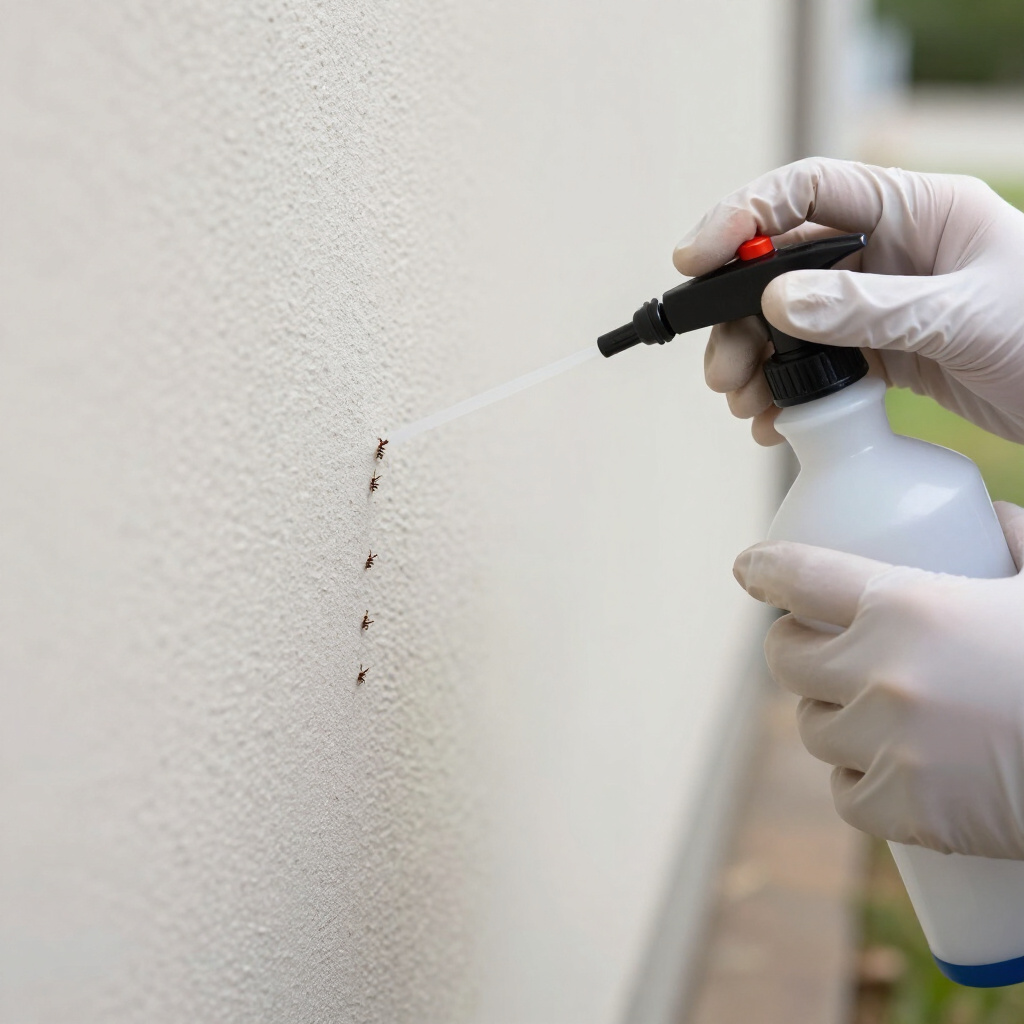

Emergency Pest Control in Dearborn, Michigan
When pests invade your Dearborn home or business, waiting isn't an option. Our 24/7 emergency pest control team responds day or night to eliminate infestations before they escalate. Whether you're dealing with bed bugs in your west Dearborn apartment, rodents in an east Dearborn restaurant, or wasps threatening your family in the South End, we arrive with solutions—not excuses.
Dearborn's mix of historic homes, dense neighborhoods, and commercial corridors along Michigan Avenue creates unique pest pressures. Older housing stock near the Fordson and Springwells areas provides ample entry points for rodents and insects. Meanwhile, the city's proximity to the Rouge River and green spaces like Fair Lane increases wildlife and mosquito activity during warmer months. Our technicians understand these local conditions and tailor emergency treatments accordingly.
We prioritize same-day service for active infestations, health hazards, and situations where pests threaten food safety or business operations. Night or weekend, our Dearborn-based response team is equipped to handle urgent calls across all neighborhoods.
Common Urgent Pest Control Issues in Dearborn
Some pest situations demand immediate professional intervention. Call our emergency line right away when facing these scenarios:
- Bed bug outbreaks: These spread rapidly through multi-unit buildings common in Dearborn. Early evening bites, blood spots on sheets, or visible insects require same-day treatment to prevent neighboring units from becoming infested.
- Active termite swarms: Winged termites emerging indoors signal an established colony. Spring swarms in Dearborn's older homes can cause structural damage within months if untreated.
- Stinging insect nests: Aggressive yellow jackets, hornets, or wasps near entryways, playgrounds, or outdoor dining areas pose immediate safety risks—especially for those with allergies.
- Roof rat or Norway rat activity: Droppings in kitchens, gnaw marks on wiring, or nighttime scratching in walls indicate active rodent populations that contaminate surfaces and create fire hazards.
- Cockroach sightings in food service: A single German cockroach spotted during business hours typically means hundreds hidden behind equipment. This threatens health department compliance and requires rapid response.
- Bat or raccoon intrusions: Wildlife in attics or walls risks rabies exposure, histoplasmosis from droppings, and structural damage from entry holes.
Full Pest Control Services for Dearborn Properties
Beyond emergency response, we provide comprehensive pest management for residential and commercial clients throughout Dearborn and surrounding Wayne County communities.
Residential Pest Control
Protect your family with ongoing prevention programs targeting the pests most common to Dearborn homes: ants, spiders, centipedes, earwigs, crickets, and seasonal invaders like boxelder bugs and Asian lady beetles. Our perimeter treatments create protective barriers, while interior applications address existing activity without endangering children or pets.
Commercial Pest Management
Dearborn's diverse business community—from restaurants along Warren Avenue to medical offices near Oakwood Hospital and manufacturing facilities—requires discreet, compliant pest control. We provide documented service programs meeting health department standards, third-party audit requirements, and corporate franchise specifications.
Specialized Services
- Mosquito and tick reduction for yards near the Rouge River corridor
- Termite inspection and baiting systems for pre-purchase and ongoing protection
- Bed bug heat treatment and canine detection
- Wildlife exclusion and damage repair
- Fly control for restaurants and food processing
- Stored product pest management for warehouses and distributors
Serving Dearborn and Wayne County
Our service area encompasses all Dearborn neighborhoods and extends throughout Wayne County for comprehensive coverage.
Dearborn neighborhoods we serve include: West Dearborn, East Dearborn (Fordson), the South End, Springwells Park, Warrendale, and the Michigan Avenue corridor. We also cover properties near University of Michigan-Dearborn, Henry Ford College, and the Ford Rouge Complex.
Nearby Wayne County communities: Our technicians regularly respond to calls in adjacent cities, providing consistent service quality across the region.
Frequently Asked Questions About Pest Control in Dearborn
How quickly can you respond to emergency pest calls in Dearborn?
For urgent situations—active infestations, stinging insect nests near entryways, or health hazards—we typically arrive within 2-4 hours for Dearborn properties. Our 24/7 dispatch ensures night and weekend coverage when pests don't wait for business hours.
Are your treatments safe for homes with children and pets?
Yes. We use targeted application methods and products selected for reduced toxicity in residential environments. Our technicians apply treatments precisely where pests travel and harbor, minimizing exposure to occupied spaces. We provide specific re-entry guidelines based on each treatment type.
What makes Dearborn particularly susceptible to certain pests?
Dearborn's aging housing inventory, high-density neighborhoods, and proximity to the Rouge River create favorable conditions for rodents, cockroaches, and moisture-loving insects. The city's commercial corridors and food service density also sustain pest populations that readily move between businesses and nearby residences.
Do you offer ongoing prevention or just one-time treatments?
Both. While we provide single-service emergency treatments, most Dearborn homeowners benefit from quarterly or bi-monthly maintenance plans that prevent recurring problems. Commercial clients typically require monthly service to maintain compliance and protect their operations.
Can you handle bed bugs in multi-unit apartment buildings?
Absolutely. Bed bugs in Dearborn's apartment complexes require coordinated treatment across affected and adjacent units. We coordinate with property managers, provide preparation instructions for residents, and use heat treatment or integrated chemical approaches based on building configuration and infestation extent.