
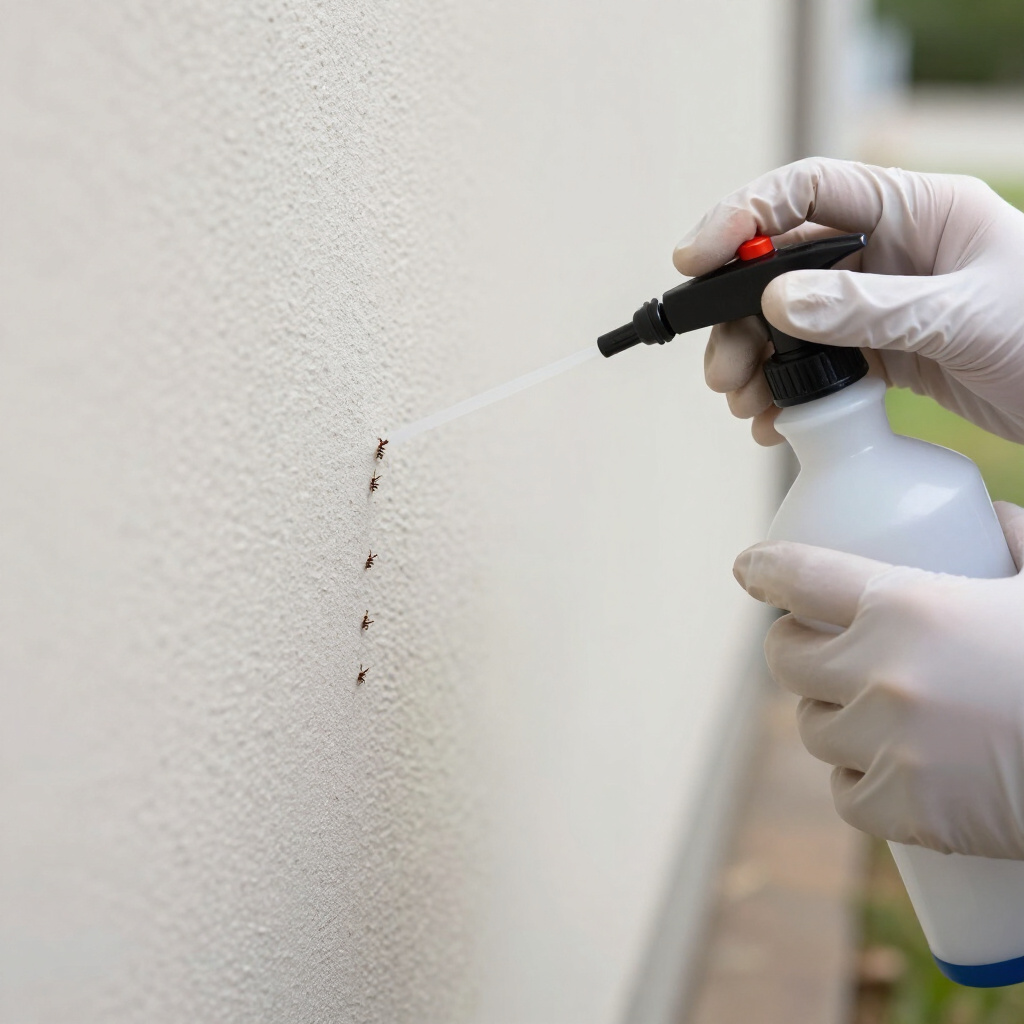

Pest Control Services in Dearborn Heights, MI
Dearborn Heights sits in the heart of Wayne County, where seasonal changes and mature neighborhoods create unique pest pressures throughout the year. From the tree-lined streets near Annapolis and Telegraph to the residential corridors along Ford Road, homes and businesses in this community face recurring invasions that demand localized expertise.
The area's mix of post-war bungalows, mid-century ranch homes, and newer developments provides varied harborages for common Michigan pests. Basements in older properties frequently attract moisture-seeking insects, while the canopy cover throughout the city supports robust ant, spider, and occasional carpenter ant activity. Proximity to the Rouge River corridor and scattered wetland pockets also means mosquito concerns spike during humid summer months.
Our technicians understand Dearborn Heights' specific challenges: the heavy clay soils that push rodents toward foundation gaps, the mature oak and maple stands that bridge wildlife into attics, and the seasonal freeze-thaw cycles that expand entry points around pipes and sill plates. We tailor treatments to these conditions rather than applying generic protocols.
Residential Pest Management
Homeowners across Dearborn Heights deal with several recurring issues. Odorous house ants trail through kitchen spaces from early spring through fall, often nesting beneath slab foundations or within wall voids. Spiders—particularly wolf spiders and cellar spiders—proliferate in basements and ground-level storage areas. Mice exploit the narrow gaps common in homes built between the 1940s and 1970s, with infestations surging as temperatures drop in October and November.
Our residential programs include perimeter barrier applications, targeted interior treatments, and mechanical exclusion recommendations. We prioritize entry point identification because long-term control in this market depends on sealing access rather than relying solely on chemical intervention.
Commercial Pest Solutions
Business corridors along Telegraph Road, Warren Avenue, and Van Born Street include restaurants, medical offices, retail spaces, and light industrial facilities. Each sector carries distinct compliance requirements and pest vulnerabilities. Food service establishments contend with fly pressure and roach harborage in equipment voids. Healthcare and office environments demand discreet, low-odor approaches that won't disrupt operations or patient comfort.
We structure commercial accounts with scheduled inspections, documented service reports, and rapid response protocols for emergency situations. Our programs align with Wayne County Health Department standards and support third-party audit requirements.
Seasonal Pest Calendar for Dearborn Heights
Spring (March–May): Ant swarming, termite alate emergence, wasp queen activity, and overwintering pest wake-up (boxelder bugs, Asian lady beetles).
Summer (June–August): Peak mosquito activity, yellow jacket nest expansion, spider breeding cycles, and increased tick exposure in landscaped borders.
Fall (September–November): Rodent interior migration, stink bug aggregation, cluster fly activity, and last wasp nest defense before die-off.
Winter (December–February): Sustained rodent pressure, occasional bed bug introductions from travel, and carpenter ant satellite colonies in heated wall voids.
Frequently Asked Questions
What pests are most common in Dearborn Heights homes?
Odorous house ants, mice, wolf spiders, and cellar spiders top the list. Seasonally, residents also encounter wasps, mosquitoes, and occasional carpenter ants in homes with moisture-damaged wood. The area's mature tree canopy and established neighborhoods support higher baseline insect and rodent pressure compared to newer developments with less ground cover.
How often should Dearborn Heights properties receive pest control service?
Most residential properties benefit from quarterly exterior maintenance to break pest life cycles before interior invasion occurs. Homes with active rodent histories, chronic ant issues, or abutting wooded lots often require bi-monthly service during peak seasons. Commercial accounts typically need monthly or twice-monthly visits depending on industry type and inspection requirements.
Are treatments safe for families with children and pets?
Yes. We use application methods and product selections calibrated for residential sensitivity. Exterior perimeter treatments dry within hours and pose minimal contact risk. Interior applications target specific harborage areas rather than broadcast spraying. Our technicians provide written re-entry guidelines and will adjust protocols for households with infants, elderly residents, or pets with health conditions.