

Common Pest Control Problems in Port Huron
Living along the St. Clair River and Lake Huron shoreline, Port Huron homeowners face pest pressures that inland Michigan communities rarely experience. The constant moisture from the Great Lakes creates conditions where ants, spiders, and rodents thrive year-round.
Older neighborhoods near downtown and the historic districts battle bed bug infestations fueled by transient traffic across the Blue Water Bridge. Meanwhile, properties in the southern reaches toward Marysville contend with subterranean termites exploiting the sandy, moisture-retentive soils common throughout St. Clair County.
Seasonal fluctuations hit harder here. Spring brings carpenter ants swarming from water-damaged wood. Summer pushes mosquitoes and wasps inland from the waterfront. Fall drives field mice and rats seeking shelter before the lake-effect winters arrive. Each season demands a different defensive approach.
How We Help Port Huron Homeowners
Our technicians understand the unique pest ecology of Michigan's Thumb region. We start with thorough property inspections that account for Port Huron's specific vulnerabilities: foundation moisture from high water tables, aging infrastructure with gaps and entry points, and landscaping that bridges the gap between wooded areas and homes.
We don't apply blanket treatments. Instead, we identify the root cause—whether it's poor drainage near your foundation, overhanging branches providing highway access for rodents, or harborages in crawl spaces—and build our treatment plan around eliminating conditions that attract pests in the first place.
For waterfront properties, we use moisture-resistant formulations and targeted baiting systems that hold up against humid lake breezes. For historic homes, we prioritize precision applications that protect structural integrity while addressing active infestations.
Pest Control Services Available in Port Huron
- Residential Pest Control — Quarterly protection plans tailored to seasonal pest cycles
- Termite Inspection & Treatment — Liquid barriers and baiting systems for subterranean termites
- Bed Bug Elimination — Heat treatment and targeted chemical protocols
- Rodent Exclusion — Sealing, trapping, and ongoing monitoring programs
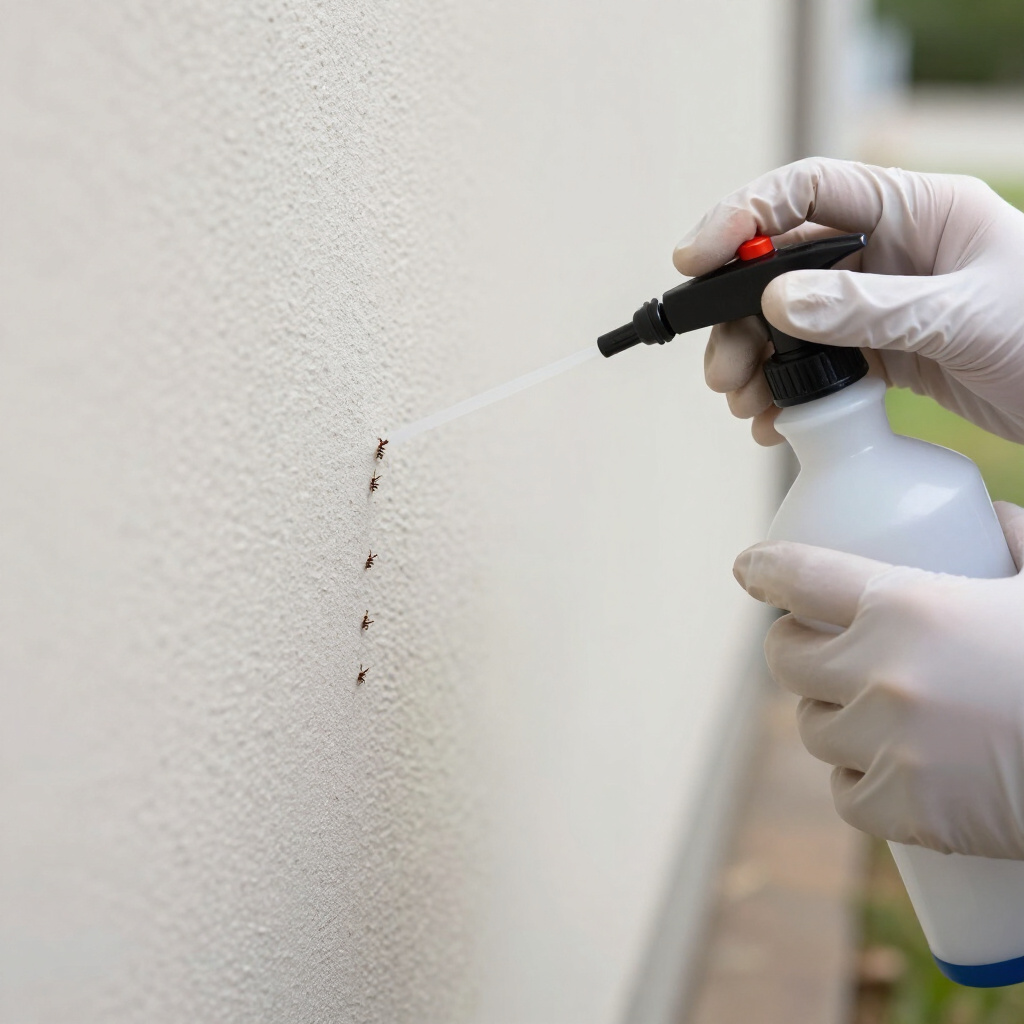
- Ant & Spider Control — Interior and exterior perimeter treatments
- Mosquito Reduction — Breeding site elimination and barrier applications
- Commercial Pest Management — Restaurants, warehouses, and retail along Pine Grove Avenue and 24th Street corridors
Pest Control Pricing in the Port Huron Area
Most Port Huron homeowners pay between $89 and $159 for initial inspections and single-service treatments. Recurring quarterly plans typically range from $39 to $89 per visit, depending on property size and pest complexity.
Termite treatments represent a larger investment, generally $800 to $2,500 for comprehensive soil barrier protection—critical given St. Clair County's established termite populations. Bed bug heat treatments run $1,200 to $2,800 for whole-home elimination, varying with square footage and infestation severity.
We provide upfront quotes after inspection, with no hidden fees. Many Port Huron residents find that bundled seasonal protection reduces long-term costs compared to reactive, single-visit treatments.
Frequently Asked Questions
Are termites common in Port Huron?
Yes. The combination of moist soils near the St. Clair River and aging housing stock makes subterranean termites a documented threat throughout St. Clair County. Annual inspections are recommended for homes built before 1990.
How quickly can you respond to a pest emergency?
We typically schedule next-day appointments for Port Huron residents, with same-day service available for severe infestations involving stinging insects, rodents, or bed bugs requiring immediate attention.
Do waterfront properties need different pest control?
Absolutely. Homes near Lake Huron or the Black River experience higher humidity, increased spider populations, and more frequent ant invasions. We adjust treatment frequencies and product selections specifically for these microclimates.