
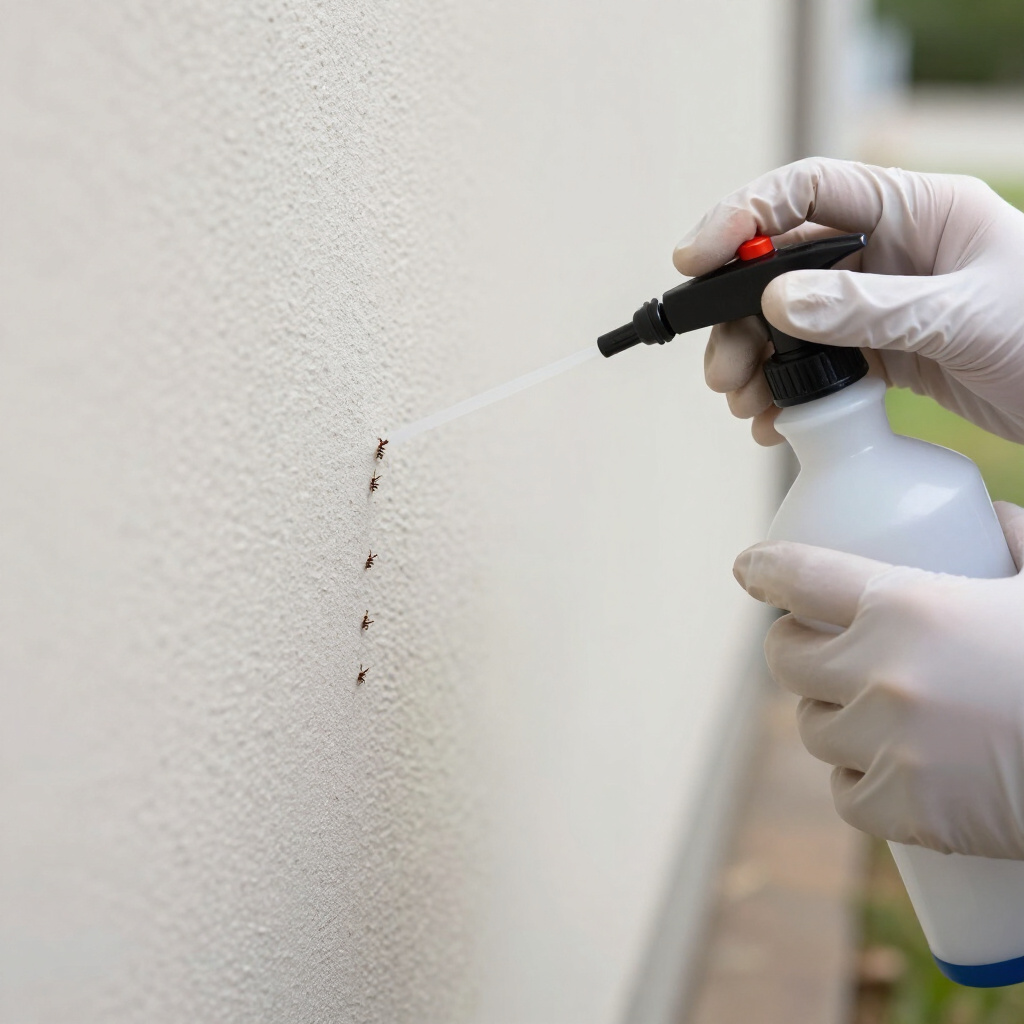

Pest Control Services in Milan, MI
Milan sits at the crossroads of Washtenaw and Monroe counties, where the flat agricultural lands of southeast Michigan meet growing suburban development. This unique positioning creates persistent pest pressure for homeowners and businesses throughout the area. The blend of farmland, the Saline River watershed, and established residential neighborhoods gives rodents, insects, and wildlife ample opportunity to thrive and encroach on properties.
Seasonal fluctuations hit Milan harder than more urbanized parts of Washtenaw County. Spring melt drives moisture-seeking pests indoors, while summer humidity fuels mosquito and tick populations along wooded property lines. Fall triggers the annual rodent migration into attics and crawl spaces as temperatures drop. Winter doesn't eliminate problems either—cluster flies, stink bugs, and overwintering wasps continue to disturb residents through the coldest months.
Local pest control approaches must account for Milan's distinctive environment. The agricultural buffers surrounding town mean field mice, voles, and crop-damaging insects remain constant threats. Homes near the Saline River corridor or any of the area's drainage ditches face elevated mosquito, spider, and moisture pest activity. Older homes in Milan's historic core contend with foundation gaps and aging structures that invite carpenter ants and termites, while newer subdivisions battle perimeter ant invasions and turf pests.
Effective service in Milan requires technicians who understand these regional patterns rather than applying generic suburban treatments. Integrated pest management that addresses exclusion, habitat modification, and targeted treatments delivers longer-lasting results than chemical-heavy approaches alone.
Frequently Asked Questions About Pest Control in Milan
What pests are most common in Milan homes?
Field mice and deer mice rank among the most frequent invaders, particularly for properties bordering farmland or open fields. Carpenter ants cause significant structural concern, especially in homes with mature trees or moisture issues. Odorous house ants, spiders, wasps, and stink bugs appear seasonally. Mosquitoes and ticks trouble properties near water or with dense perimeter vegetation. Termite activity occurs throughout Washtenaw County, making professional inspection advisable for any home purchase or suspected damage.
How does Milan's location between counties affect pest control?
The agricultural interface creates unique pressure not seen in purely suburban Washtenaw County communities. Crop rotation patterns influence rodent movements, while irrigation and drainage from farmland affects local moisture conditions. Monroe County's lower population density to the south means wildlife corridors remain intact, bringing raccoons, skunks, and opossums into Milan neighborhoods. Pest control plans must anticipate these broader ecological factors rather than treating isolated properties.
When should Milan homeowners schedule preventive treatments?
March through May provides the critical window for establishing perimeter barriers before peak ant and spider season. August and September treatments target late-season mosquitoes and prepare for fall rodent exclusion. October and November represent the last practical opportunity to seal entry points and install exterior bait stations before mice establish winter territories. Homes with previous infestations benefit from quarterly maintenance programs that adapt to seasonal shifts.
Are there pest concerns specific to Milan's newer developments?
Recent construction has disturbed established wildlife patterns and fragmented habitats, temporarily concentrating certain pests. Newly landscaped properties with fresh sod and mulch beds attract grubs, sod webworms, and the wildlife that feeds on them. Young trees and shrubs provide limited canopy cover, changing sun exposure and moisture patterns around foundations. Until neighborhoods mature and ecological balance reestablishes, these areas often experience elevated pest activity requiring more intensive initial management.