

Pest Control Services in Kalamazoo, MI
Kalamazoo homeowners and businesses face a diverse range of pest challenges throughout the year, from summer ant invasions to winter rodent problems. Located in southwestern Michigan, Kalamazoo's climate—with warm, humid summers and cold, snowy winters—creates ideal conditions for pests to thrive and seek shelter in residential and commercial properties.
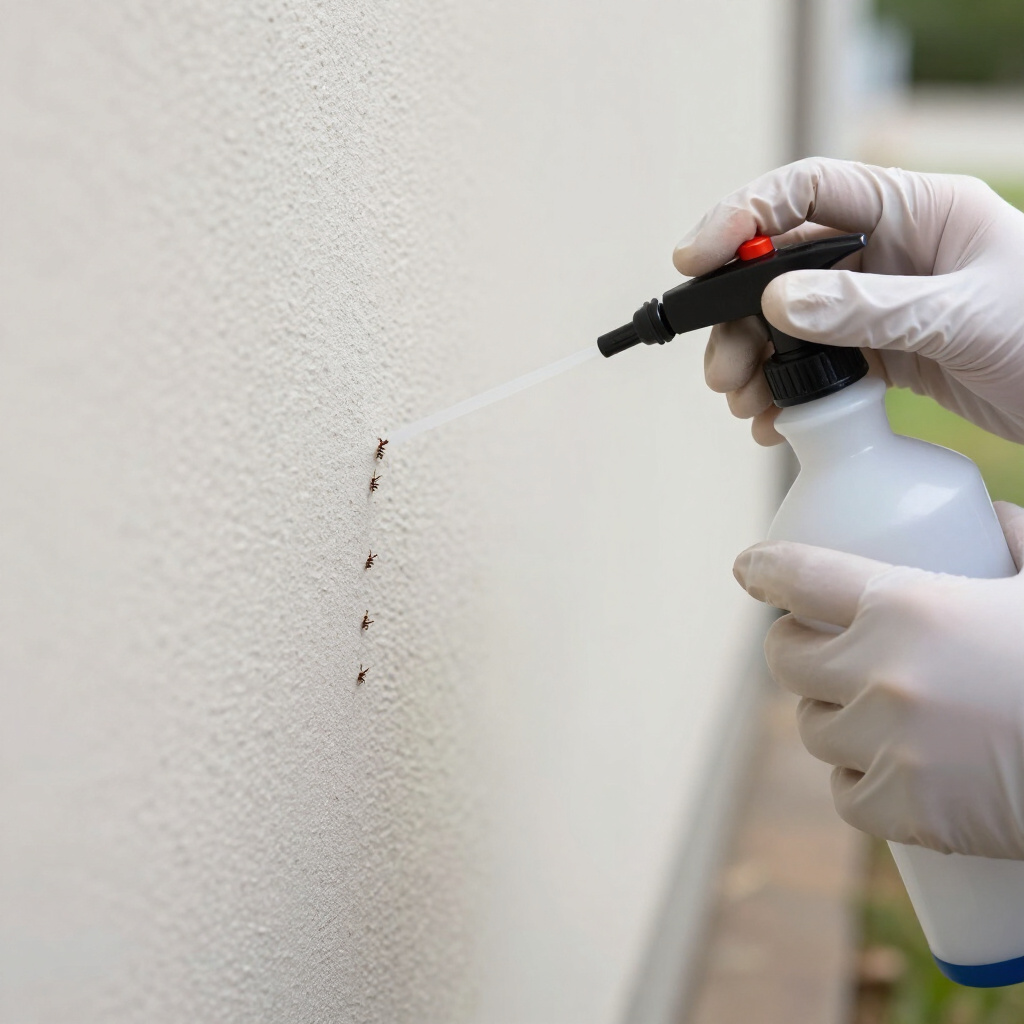
Professional pest control in Kalamazoo addresses the region's most persistent invaders. Ant control tops the list of service requests, particularly during spring and summer months when carpenter ants, odorous house ants, and pavement ants become active. These colonies can establish satellite nests within wall voids, requiring thorough treatment strategies to eliminate the entire population rather than just surface spraying.
Spider extermination remains essential for Kalamazoo properties, especially in older homes near wooded areas like those surrounding Asylum Lake Preserve or the Kleinstuck Preserve. While most local spiders pose minimal health risks, brown recluse and black widow populations require immediate professional attention due to their venomous bites.
Moisture-rich environments near the Kalamazoo River and Portage Creek contribute to elevated mosquito populations, making targeted yard treatments and breeding site reduction critical for outdoor enjoyment during warmer months. Similarly, tick control has grown increasingly important as Lyme disease awareness spreads throughout Kalamazoo County.
Winter drives rodent control demands as mice and rats exploit foundation gaps, utility penetrations, and deteriorated weather stripping to access heated structures. Comprehensive rodent management combines exclusion work with strategic trapping and monitoring programs.
Commercial pest control services support Kalamazoo's diverse business community, from restaurants along the Burdick Street corridor to healthcare facilities near the Western Michigan University campus and manufacturing operations throughout the city's industrial zones. Integrated Pest Management (IPM) approaches minimize chemical applications while maintaining stringent health and safety standards.
Termite protection warrants particular attention in Kalamazoo's established neighborhoods, where mature wooden structures provide ample food sources for Eastern subterranean termites. Annual inspections and preventive soil treatments protect significant property investments.
Frequently Asked Questions About Pest Control in Kalamazoo
What pests are most common in Kalamazoo homes?
Ants, spiders, mice, and mosquitoes represent the most frequent pest complaints in Kalamazoo. Seasonal patterns strongly influence activity—ants and mosquitoes peak from May through September, while rodent issues intensify October through March as temperatures drop. Stink bugs and Asian lady beetles also create nuisance problems during fall as they seek overwintering shelter.
How often should Kalamazoo properties receive pest control treatments?
Most Kalamazoo residences benefit from quarterly preventive maintenance programs that address seasonal pest pressures. Homes with recurring ant or spider problems, those near wooded lots or water features, or properties with previous rodent issues may require monthly service during peak activity periods. Commercial facilities, particularly food service establishments, typically need monthly or bi-monthly professional visits to maintain compliance with health regulations.
Are pest control treatments safe for families and pets in Kalamazoo?
Modern pest control products applied by licensed professionals pose minimal risk when used according to label directions. Reputable providers in Kalamazoo utilize targeted application techniques that minimize exposure, applying materials in cracks, crevices, and other harborage areas rather than broadcasting chemicals broadly. Many companies offer reduced-toxicity and botanical-based options for households with heightened sensitivity concerns. Residents should follow technician instructions regarding re-entry timing and temporary pet restrictions.