
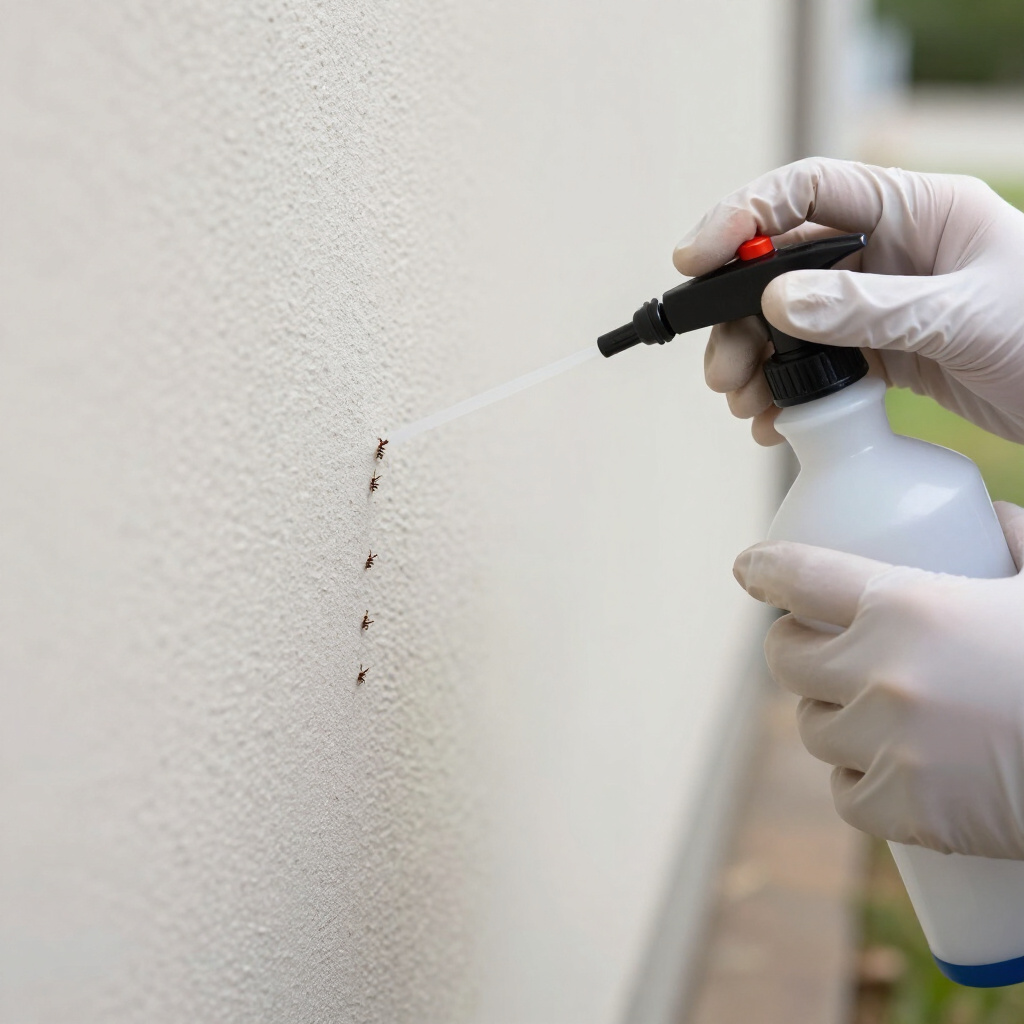

Pest Control Services in Coldwater, MI
Coldwater sits at the heart of Branch County in southern Michigan, where the mix of lakes, wetlands, and agricultural land creates conditions that attract a wide range of pests throughout the year. From historic homes near downtown to newer developments around Morrison Lake and the Coldwater Lake Chain, residents face unique pest pressures that demand localized solutions.
Our technicians understand the specific challenges that come with Coldwater's geography. The area's numerous inland lakes and the proximity to the Prairie River watershed mean higher moisture levels, which directly impacts pest activity. Carpenter ants thrive in the mature tree canopy throughout the city, while the agricultural surroundings bring field mice, boxelder bugs, and Asian beetles into residential areas seasonally.
We provide comprehensive pest management for Coldwater homes and businesses, including seasonal perimeter treatments, interior spot applications, and targeted solutions for persistent infestations. Whether you're dealing with ants in your kitchen, wasps near your dock, or rodents seeking winter shelter, our Branch County service team delivers prompt, effective treatment with ongoing protection plans designed for Michigan's variable climate.
Frequently Asked Questions About Pest Control in Coldwater
What pests are most common in Coldwater, Michigan?
Coldwater residents most frequently encounter carpenter ants, pavement ants, mice, wasps, and boxelder bugs. The city's lake environment also attracts spiders, earwigs, and occasional moisture-seeking pests like silverfish. Seasonal invaders such as Asian lady beetles and stink bugs become problematic in fall when they seek overwintering sites in homes and cottages.
How does living near Coldwater Lake affect pest problems?
Properties near Coldwater Lake, Morrison Lake, or any of the connected waterways typically experience elevated pest pressure. Higher humidity supports larger ant colonies and more abundant insect populations. Lakeside homes also attract wasps and hornets that nest in boat houses and dock structures. Additionally, waterfront properties often have more mature landscaping, which provides harborage for rodents and wildlife. Our treatments account for these factors with specialized perimeter protocols and moisture management recommendations.
When should Coldwater homeowners schedule preventive pest control?
The most critical treatment windows in Coldwater align with Michigan's seasonal transitions. Early spring (March-April) targets emerging ant colonies and overwintering pests. Late spring addresses wasp nest prevention before colonies establish. Summer treatments manage active populations, while early fall applications create barriers against mice and overwintering insects seeking indoor refuge. Many Branch County homeowners benefit from quarterly service plans that maintain continuous protection through these cycles.
Are pest control treatments safe for homes with wells or septic systems?
Yes. Coldwater's rural character means many properties rely on private wells and septic systems, and our application methods are specifically adapted for these conditions. We use targeted, low-volume treatments applied precisely to foundation perimeters and entry points rather than broadcast spraying. This minimizes any environmental impact while maintaining effectiveness. We can also adjust protocols for homes with vegetable gardens, livestock, or direct lake access.
What should I do if I notice carpenter ants in my Coldwater home?
Carpenter ants are particularly prevalent in Coldwater due to the mature hardwood forests and older housing stock. If you see large black ants, especially at night or during spring swarming, contact us immediately. Carpenter ants don't eat wood but excavate galleries for nesting, causing structural damage over time. Our technicians conduct thorough inspections to locate nests—whether in wall voids, attics, or decaying exterior wood—and apply targeted treatments. We also identify and recommend correction of moisture issues that attract these destructive pests.