
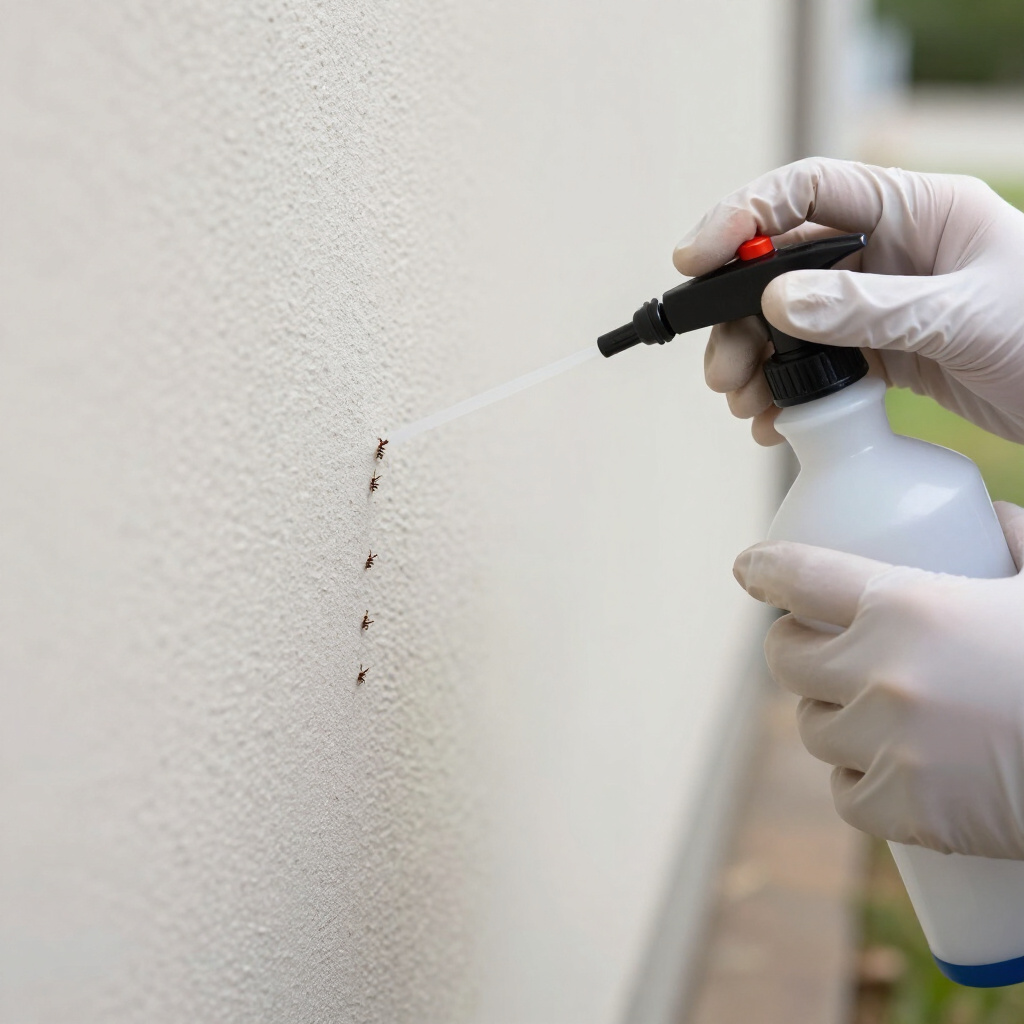

Pest Control Services in Cheboygan, MI
Living in Cheboygan means enjoying the natural beauty of Northern Michigan—Lake Huron shoreline, dense forests, and seasonal changes that make this area special. But those same environmental features that draw residents and visitors also create ideal conditions for pests. From carpenter ants thriving in mature woodlands to rodents seeking winter shelter in lakeside cottages, Cheboygan homeowners face unique pest management challenges shaped by our location in Cheboygan County.
The city's proximity to the Straits of Mackinac, combined with humid summers and harsh winters, creates a pest pressure cycle unlike more inland Michigan communities. Waterfront properties along the Cheboygan River and nearby inland lakes experience elevated moisture levels that attract silverfish, centipedes, and basement-dwelling insects. Meanwhile, the surrounding state forests and conservation areas provide abundant habitat for wildlife that occasionally conflicts with residential areas.
Professional pest control in Cheboygan requires understanding these local conditions. Treatments effective in Detroit or Grand Rapids often fall short here because they don't account for our shorter growing season, freeze-thaw patterns, and the specific pest species common to the northeastern Lower Peninsula. Local expertise matters when protecting your home or business year-round.
Common Pests in Cheboygan County
Cheboygan's pest profile reflects its northern climate and abundant natural water sources. Homeowners typically encounter several recurring problems throughout the year.
Carpenter Ants
These large black ants rank among the most destructive pests in Cheboygan County. Unlike termites, carpenter ants don't consume wood—they excavate galleries in decaying or moisture-damaged lumber to establish colonies. Mature forests surrounding the city provide endless satellite colony opportunities, and homes with wood siding, cedar shakes, or deck structures face particular vulnerability. Early spring swarms often reveal hidden infestations that may have developed over multiple years.
Mice and Rats
When temperatures drop and lakeshore winds intensify, rodents exploit even tiny structural gaps to access wall voids, attics, and crawl spaces. Cheboygan's older housing stock, including historic downtown buildings and seasonal cottages, frequently lacks modern exclusion features. Once established, mice reproduce rapidly, with single females producing up to 60 offspring annually. The combination of available shelter and nearby agricultural areas makes rodent pressure especially persistent in rural parts of Cheboygan County.
Spiders
While most spiders benefit ecosystems by controlling flying insects, certain species concern Cheboygan residents. Wolf spiders enter ground-level homes seeking prey, while fishing spiders near waterfront properties grow alarmingly large. Cellar spiders and cobweb spiders proliferate in damp basements common throughout the region. Professional identification helps distinguish between nuisance species and those requiring targeted management.
Wasps and Hornets
Paper wasps, yellowjackets, and bald-faced hornets all establish nests in Cheboygan during warm months. Their presence peaks in late summer when colony populations maximize and food sources dwindle, increasing aggressive behavior around outdoor activities. Aerial nests in eaves, ground nests in landscaping, and hidden colonies in wall voids each demand different removal approaches for safety.
Bed Bugs
Despite Cheboygan's relatively small population, bed bugs circulate through tourism traffic to Mackinac Island, seasonal lodging, and second-home rentals. These hitchhiking pests show no preference for cleanliness and spread rapidly through multi-unit buildings. Early detection through professional inspection prevents the extensive treatments required for established infestations.
Seasonal Pest Patterns in Cheboygan
Pest activity in Cheboygan County follows distinct seasonal rhythms that inform effective prevention and treatment timing.
Spring (April–May)
Thawing soils awaken overwintering pests. Carpenter ant swarmers emerge, often indicating mature colonies. Boxelder bugs and Asian lady beetles that sheltered in wall voids become active with warming temperatures, sometimes appearing inside homes before outdoor release. Moisture from snowmelt drives millipedes, centipedes, and springtails toward foundation perimeters.
Summer (June–August)
Peak insect activity coincides with Cheboygan's busiest tourist season. Mosquitoes thrive in wetland areas, though municipal and regional control programs help manage public spaces. Wasps and hornets build active nests. Ant foraging trails become conspicuous. Tick encounters increase in grassy and wooded areas, including county parks and recreational lands.
Fall (September–November)
Cooling temperatures trigger mass movements of overwintering pests. Stink bugs, cluster flies, and boxelder bugs seek structural entry points. Mice and rats intensify indoor exploration. Spiders become more visible as they reach maturity and seek mates. This window represents critical timing for exclusion work before winter.
Winter (December–March)
Substantially reduced outdoor activity concentrates pest attention on protected indoor environments. Heated structures sustain active rodents, while dormant insects in wall voids may become temporarily active during warm spells. Ice damming and subsequent moisture intrusion can create new carpenter ant habitat in previously sound wood.
Frequently Asked Questions About Pest Control in Cheboygan
How does Cheboygan's lakeside location affect pest problems?
Lake Huron and the Cheboygan River moderate temperatures slightly but elevate ambient humidity significantly. This moisture supports higher populations of moisture-dependent pests including silverfish, springtails, and certain spider species. Waterfront properties also experience more frequent mayfly and midge emergences during summer months, though these are nuisance insects that don't infest structures. The tradeoff comes in generally lower summer temperatures compared to inland Michigan, which can slightly delay peak pest activity by one to two weeks.
What should seasonal cottage owners know about pest prevention?
Unoccupied structures face distinct risks. Rodents exploit undisturbed environments to establish populations unchecked. Without climate control, condensation and temperature fluctuations accelerate wood degradation attractive to carpenter ants. Regular inspection schedules—ideally spring opening and fall closing—allow professionals to identify developing problems before they escalate. Proper winterization including sealing utility penetrations, maintaining weatherstripping, and removing food attractants substantially reduces seasonal vulnerability. Consider moisture management systems for crawl spaces that remain unheated through winter.
Are carpenter ants really worse in Cheboygan than elsewhere in Michigan?
Cheboygan County's extensive mature forest cover, higher average precipitation, and abundance of wooden structures create genuinely favorable conditions for carpenter ant colonies. The species Camponotus pennsylvanicus—the black carpenter ant most destructive to structures—is exceptionally common throughout northeastern Michigan. Satellite colonies can establish in homes while parent colonies remain in nearby stumps or standing deadwood. This ecological pressure means Cheboygan residents should prioritize annual inspection, particularly for homes more than 20 years old or those with prior moisture issues.
How do I choose between ongoing service and one-time treatment?
For Cheboygan properties, the decision depends on pest pressure, structure age, and your tolerance for pest presence. Single treatments effectively address identified, contained problems like a specific wasp nest or localized ant trail. However, the environmental conditions here—surrounding forest, lake effect moisture, cold winters driving rodents indoors—create persistent pressure that one-time treatments cannot prevent. Recurring service programs typically include seasonal inspections, preventive perimeter treatments, and early intervention before populations establish. Most waterfront and rural Cheboygan County properties benefit from quarterly or bi-monthly programs, while well-maintained in-town homes may manage with seasonal treatments.
What should I expect during a professional pest control visit?
Comprehensive service begins with exterior inspection identifying entry points, conducive conditions, and pest evidence. Technicians examine foundation perimeters, rooflines, utility penetrations, and attached structures. Interior inspection focuses on pest-vulnerable areas: kitchens, bathrooms, basements, attics, and crawl spaces. Treatment selection follows integrated pest management principles, prioritizing exclusion and habitat modification before chemical applications. You'll receive documentation of findings, treatment details, and specific recommendations for structural or sanitation improvements. Follow-up timing depends on pest species and treatment type—rodent programs may need 7-14 day rechecks, while preventive perimeter treatments typically maintain protection for 60-90 days given Cheboygan's weather exposure.