
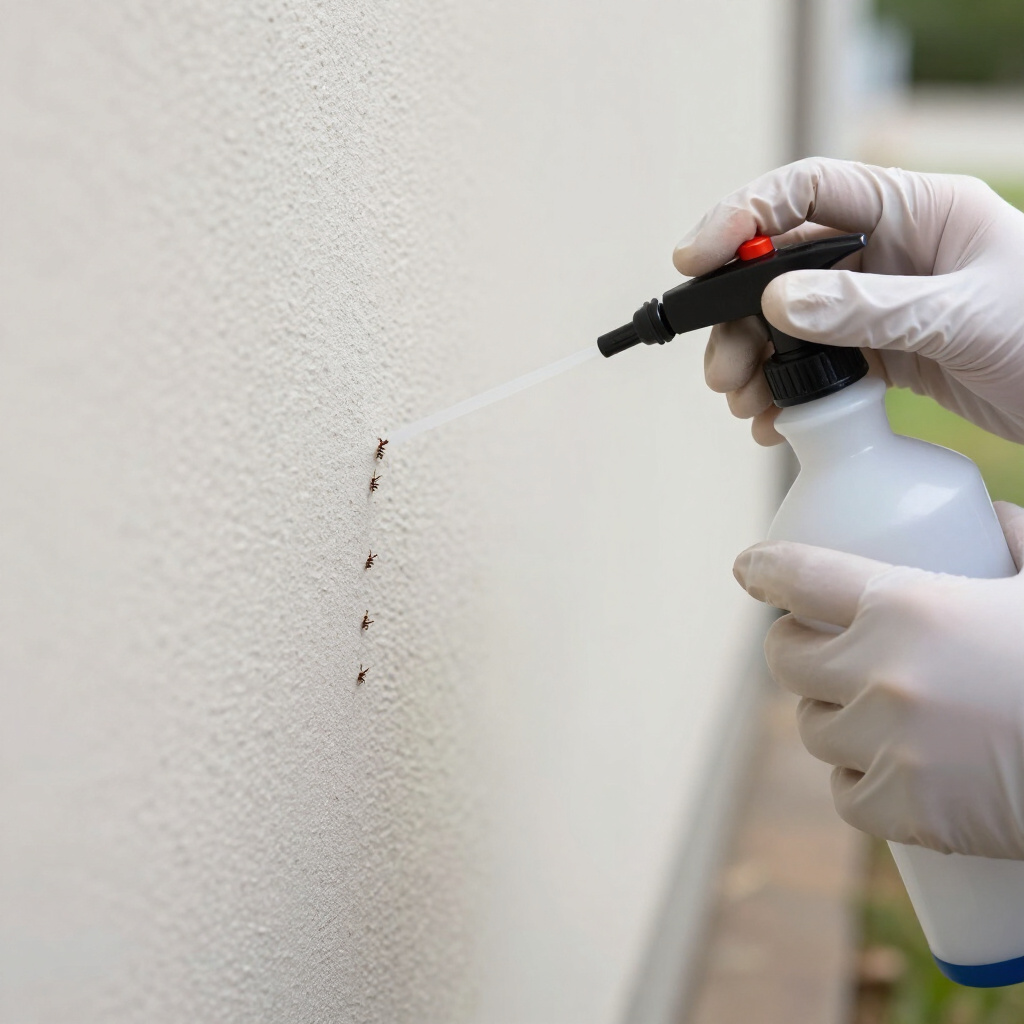

Pest Control Services in Brighton, MI
Brighton's blend of historic downtown charm, lakeside properties, and expanding residential neighborhoods creates diverse pest control challenges throughout Livingston County. From the waterfront homes along Brighton Lake and Ore Lake to newer subdivisions near I-96 and Grand River Avenue, our pest management approaches address the specific conditions that attract unwanted insects and rodents to this growing community.
The area's abundant water features, mature hardwood forests, and seasonal temperature swings make proactive pest prevention essential for Brighton homeowners. Carpenter ants thrive in the damp soil near lake properties, while field mice seek shelter in basements and garages as temperatures drop each fall. Spiders, stink bugs, and boxelder bugs commonly invade homes near wooded areas, particularly around the Brighton State Recreation Area and surrounding parklands.
Our Brighton pest control services include comprehensive inspections, targeted treatments, and year-round monitoring programs. We customize solutions based on your property's location—whether you're in the historic districts near St. Paul's Episcopal Church, the family neighborhoods near Hawkins Elementary, or rural properties along Brighton Road. Each treatment plan accounts for local pest pressures, structural vulnerabilities, and your family's specific concerns about safety and environmental impact.
Commercial properties throughout downtown Brighton, the Green Oak Village Place corridor, and industrial parks near Spencer Road receive specialized attention with discreet service scheduling and compliance documentation. Restaurants, retail shops, medical offices, and manufacturing facilities all benefit from integrated pest management strategies that protect their reputation while meeting regulatory requirements.
Frequently Asked Questions About Pest Control in Brighton
What pests are most common in Brighton, Michigan homes?
Carpenter ants rank among the most destructive pests in Brighton due to the area's mature trees and moisture-retaining soil near lakes and wetlands. Mice and rats become problematic each autumn as they migrate indoors from agricultural fields and wooded areas. Stink bugs, boxelder bugs, and Asian lady beetles accumulate on south-facing walls during fall, while spiders—including wolf spiders and cellar spiders—remain active in basements year-round. Mosquitoes and ticks flourish near the Brighton State Recreation Area and other natural spaces during warmer months.
How does living near Brighton Lake affect pest activity?
Waterfront and water-adjacent properties experience elevated humidity levels that attract moisture-dependent pests including carpenter ants, earwigs, and silverfish. Lake homes also see increased mosquito and gnat populations during breeding season. The organic debris from shoreline vegetation provides harborage for rodents and insect populations. Specialized treatments for lake-area homes emphasize perimeter moisture control, foundation sealing, and targeted applications that won't impact aquatic ecosystems or violate Michigan's water protection regulations.
When should Brighton homeowners schedule preventive pest treatments?
Spring applications in March through May target emerging ant colonies, wasp nest prevention, and early-season tick activity. Summer treatments focus on mosquito reduction and spider management around outdoor living spaces. Fall applications between September and November prove critical for sealing entry points before rodent migration and preventing overwintering insects like stink bugs and boxelder bugs from entering wall voids. Winter inspections identify inactive pest harborage and prepare properties for spring emergence. Quarterly service programs maintain consistent protection through Brighton's dramatic seasonal shifts.
Are pest control treatments safe for families with children and pets?
Modern pest control products applied by licensed professionals pose minimal risk when used according to label directions. We utilize reduced-toxicity formulations, precise application methods, and targeted placement strategies that minimize exposure to non-target organisms. Treatment protocols specify re-entry intervals, typically allowing normal activity within treated areas after products dry—usually one to two hours. Families with infants, elderly residents, or pets with health conditions should discuss specific concerns during the initial consultation to receive customized safety recommendations.
What distinguishes pest control in Brighton from neighboring communities?
Brighton's unique position at the intersection of suburban development, agricultural land, and extensive recreational areas creates overlapping pest pressure zones unavailable in more uniformly developed communities. The historic building stock downtown presents distinct structural vulnerabilities compared to newer construction. Local ordinances governing pesticide application near protected waterways require specialized knowledge. Additionally, Brighton-Milford's annual Smokin' Jazz and Barbecue Blues Festival, Art in the Park, and other outdoor events create temporary conditions affecting downtown commercial pest management needs. Effective Brighton pest control requires familiarity with these local factors rather than generic suburban treatment templates.