
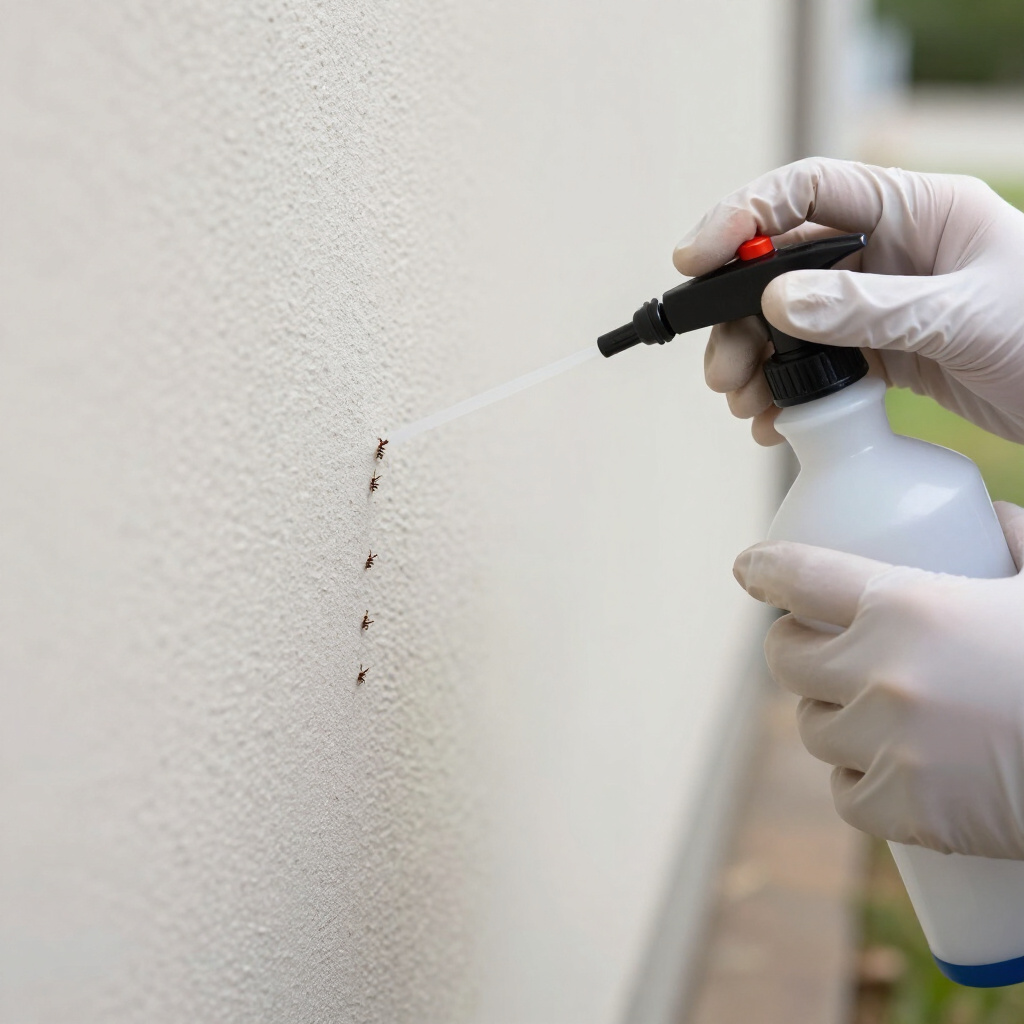

Termites are silent destroyers that can cause extensive damage before you ever realize they've moved in. Unlike other pests that announce their presence with bites, buzzing, or droppings in plain sight, termites work quietly behind walls, under floors, and deep within wooden structures. By the time most homeowners notice obvious signs, significant damage may already be done. Knowing what to look for can help you catch an infestation early and protect your biggest investment—your home.
Signs You May Have Termites: Early Warning Indicators
Recognizing the subtle clues of termite activity is your first line of defense. Here are the most common indicators that these wood-destroying insects may have established themselves on your property.
Mud tubes on exterior walls or foundations. Subterranean termites—the most common and destructive species—build pencil-width tunnels from soil to wood. These mud tubes protect them from predators and dehydration as they travel. Look for them along foundation walls, crawl spaces, basement corners, and even hanging from floor joists. Breaking open a tube and finding live, creamy-white insects confirms active termites.
Hollow-sounding wood. Tap on baseboards, window sills, door frames, and hardwood floors with the handle of a screwdriver. Solid wood produces a dull thud; damaged wood sounds hollow or papery. Termites consume wood from the inside out, leaving a thin veneer of paint or wood grain that masks the destruction beneath.
Discarded wings near windowsills and light fixtures. Swarming termites shed their wings after mating flights, typically in spring. Piles of tiny, uniform wings—often described as fish scales—signal that a mature colony is nearby and expanding. These swarms indoors are especially urgent, as they indicate an established colony within your structure.
Bubbling or peeling paint that resembles water damage. Moisture from termite activity can cause paint to distort. If you notice this in areas without plumbing leaks or obvious water sources, investigate further for hidden damage.
Sagging floors and buckling wood. Advanced infestations compromise structural integrity. Doors and windows that suddenly stick, floors that feel springy, or trim that appears crumbling all warrant immediate professional inspection.
Frass and Other Evidence of Drywood Termites
Not all termites live in soil. Drywood termites inhabit the wood they consume and leave behind distinct calling cards. Their fecal pellets, called frass, resemble coarse sawdust or coffee grounds and accumulate in small piles beneath infested areas. You might find frass on windowsills, beneath furniture, or at the base of wooden beams. Unlike subterranean termite droppings, which mix with soil in their tunnels, drywood termite frass is dry, hard, and six-sided when examined closely.
Kick-out holes—tiny openings in wood surfaces where termites expel frass—are another telltale sign. These holes may be accompanied by dark streaks or spots on walls and ceilings. Drywood termites also swarm, but their wings tend to be larger with more complex vein patterns than those of subterranean species.
Because drywood termites don't require soil contact, they can infest attic framing, wooden shingles, furniture, and even picture frames. Their colonies grow more slowly than subterranean ones, but multiple colonies can coexist in a single structure, compounding damage over time.
Environmental Conditions That Attract Termites
Understanding what draws termites to your property helps you spot vulnerabilities before infestation occurs. Moisture is the primary attractant. Clogged gutters, improper grading, leaking outdoor faucets, and poor ventilation in crawl spaces all create ideal conditions. Wood-to-soil contact—such as fence posts, deck supports, or stacked firewood against your foundation—provides direct access.
Mulch and landscaping materials placed too close to siding retain moisture and offer concealed pathways. Even dead tree stumps, buried construction debris, and untreated landscape timbers can harbor colonies that eventually expand toward your home.
During your regular property inspections, pay special attention to these risk zones. Proactive maintenance—fixing leaks, improving drainage, and maintaining buffer zones between soil and wooden structures—dramatically reduces your susceptibility.
What to Do If You Suspect Termites
DIY termite treatments rarely eliminate established colonies. These insects reproduce rapidly, and their hidden networks extend far beyond visible damage. Professional pest control technicians have the training, tools, and treatment options to identify species, locate colonies, and implement targeted solutions.
Schedule an inspection at the first sign of trouble. Reputable companies offer thorough examinations using moisture meters, thermal imaging, and probing tools to assess the full scope of infestation. Treatment options vary by species and severity: liquid soil barriers, baiting systems, targeted wood treatments, or whole-structure fumigation for drywood termites.
Annual inspections are wise even without visible signs, especially for homes in regions with high termite pressure. Many companies offer renewable warranties that include periodic monitoring and retreatment if termites return—valuable protection given that homeowner's insurance typically excludes termite damage.
Final Thoughts
Termites cause billions of dollars in property damage annually, yet much of this destruction is preventable with vigilance. The signs you may have termites—mud tubes, hollow wood, discarded wings, frass, and moisture-damaged surfaces—are easy to miss if you aren't looking for them. Make termite awareness part of your seasonal home maintenance routine. Walk your property's perimeter, inspect your basement and crawl spaces, and investigate any unexplained changes in your home's woodwork. Early detection saves thousands in repair costs and preserves the structural integrity of your home for decades to come.