
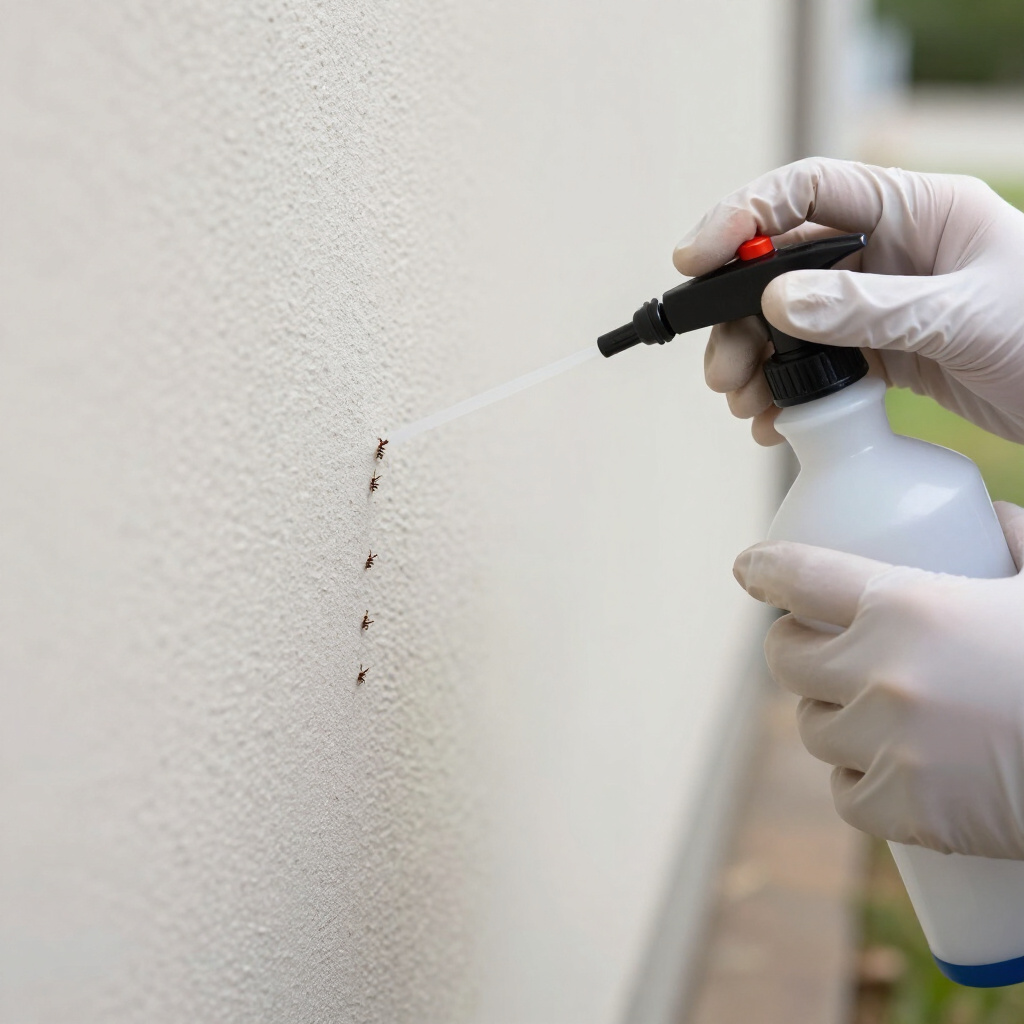

No matter how clean your home is, pests don't follow a calendar—but they do follow the weather. Each season brings its own set of invaders looking for food, water, and shelter, and what works in spring won't cut it in winter. That's why having a seasonal pest control checklist for homeowners is one of the smartest ways to protect your property year-round. Instead of waiting until you spot a mouse in your pantry or termites in your walls, proactive prevention keeps small problems from becoming expensive emergencies. Here's your room-by-room, season-by-season guide to staying ahead of the pests.
Why a Seasonal Pest Control Checklist for Homeowners Matters
Pest behavior shifts with temperature, humidity, and breeding cycles. Ants swarm in spring, mosquitoes peak in summer, rodents seek warmth in fall, and spiders hide in quiet winter corners. A reactive approach—reaching for a spray only after you see bugs—means you're already behind. A seasonal pest control checklist for homeowners helps you anticipate problems, seal entry points before they're needed, and reduce the conditions that attract pests in the first place. It's the difference between playing defense and controlling the game from the start.
The best pest management combines three habits: regular inspection, mechanical prevention (sealing, cleaning, landscaping), and targeted treatments when necessary. Let's break it down by season so you know exactly what to tackle and when.
Spring: Block the Swarm and Dry the Damp
As temperatures rise, dormant pests wake up and reproductive cycles explode. Termites begin swarming, ants send out scouts, and overwintering spiders emerge from hiding.
Your spring checklist:
- Inspect your foundation, window frames, and door seals for cracks and gaps—caulk or weatherstrip as needed
- Clean gutters and downspouts to prevent standing water that breeds mosquitoes
- Move firewood, mulch, and leaf piles at least 20 feet from your home's exterior
- Check basements and crawl spaces for moisture; run a dehumidifier if humidity climbs above 50%
- Schedule a professional termite inspection, especially if your home has a history of activity
- Trim shrubs and tree branches back from walls and rooflines to eliminate pest highways
Spring rains create ideal conditions for moisture-loving pests like silverfish, earwigs, and cockroaches. Addressing dampness now prevents infestations that persist through summer.
Summer: Fight Mosquitoes, Wasps, and Ant Armies
Peak pest season arrives with heat and humidity. Mosquitoes breed in every pocket of stagnant water, wasps build nests in eaves and sheds, and ant trails march toward your kitchen with military precision.
Your summer checklist:
- Empty and refresh birdbaths, pet bowls, and plant saucers every 2-3 days
- Inspect and repair window screens; even small tears invite flying insects inside
- Keep outdoor garbage in sealed bins and clean them monthly to deter wasps and flies
- Wipe kitchen counters nightly, store food in airtight containers, and don't leave pet food out overnight
- Check under decks, in sheds, and along roof eaves for wasp or hornet nests—call a professional for large or hard-to-reach colonies
- Maintain your lawn: tall grass and overgrown vegetation harbor ticks, fleas, and rodents
If you entertain outdoors, consider placing fans on patios—mosquitoes are weak fliers and struggle against even gentle breezes.
Fall: Seal Before the Chill Drives Pests Indoors
As nights cool, rodents, spiders, stink bugs, and boxelder bugs begin seeking winter shelter. Your warm, food-filled home is their target, and they're remarkably skilled at finding entry points.
Your fall checklist:
- Install door sweeps and repair damaged weatherstripping on all exterior doors
- Seal utility openings where pipes and wires enter your home with steel wool and caulk—rodents can squeeze through gaps the width of a pencil
- Inspect your attic for gaps in soffits, vents, and chimney flashing
- Store firewood off the ground and away from your home; inspect logs before bringing them inside
- Deep clean your kitchen, focusing on appliances, cabinets, and pantries where crumbs accumulate
- Remove window air conditioners or seal gaps around them
Fall is also prime time for a professional exterior treatment that creates a protective barrier before overwintering pests cluster on your sunny walls.
Winter: Monitor, Maintain, and Don't Get Complacent
Cold weather drives most pests into hiding, but the ones already inside—rodents, cockroaches, and certain spider species—become more noticeable as they compete for limited resources in your heated spaces.
Your winter checklist:
- Continue checking traps and bait stations in basements, garages, and attics
- Inspect storage boxes and holiday decorations before bringing them into living areas—silverfish and spiders love cardboard
- Vacuum regularly in undisturbed areas: behind furniture, in closets, and along baseboards
- Keep storage areas dry and organized; clutter provides nesting material and hiding spots
- Listen for scratching or scurrying sounds in walls and ceilings, especially at dawn and dusk
- Use this slower season to research and schedule major spring projects like foundation repairs or landscape redesigns
Winter lethargy is your enemy. The pests that survived fall are now established, and early detection prevents spring population explosions.
Key Tips for Year-Round Success
Seasonal checklists work best when supported by consistent habits. Store pantry foods in glass or hard plastic containers—paper and thin plastic won't stop determined pantry moths or weevils. Fix leaky faucets and running toilets promptly; a single drip creates a water source that sustains cockroaches and rodents for weeks.
Know when to call professionals. DIY methods handle minor, localized issues, but recurring infestations, structural pests like termites, and stinging insects in dangerous locations require expert intervention. A licensed pest control technician can identify species correctly, apply treatments safely, and spot vulnerability points you've missed.
Documentation helps too. Keep a simple log of what you observe, where, and when. Patterns emerge quickly—ants near the dishwasher every July, mice in the garage each November—and this history lets you preempt problems rather than react to them.
Final Thoughts
Pest control isn't a one-time event; it's a rhythm that matches the natural cycles playing out in your yard, your walls, and your basement. Following a seasonal pest control checklist for homeowners transforms overwhelming infestations into manageable maintenance. You'll spend less money, use fewer chemicals, and enjoy greater peace of mind knowing your home is protected through every temperature swing.
Start with this season's checklist today. Walk your property with fresh eyes, seal what needs sealing, clean what needs cleaning, and note what needs professional attention. The pests are already planning their next move—make sure you're ready first.