
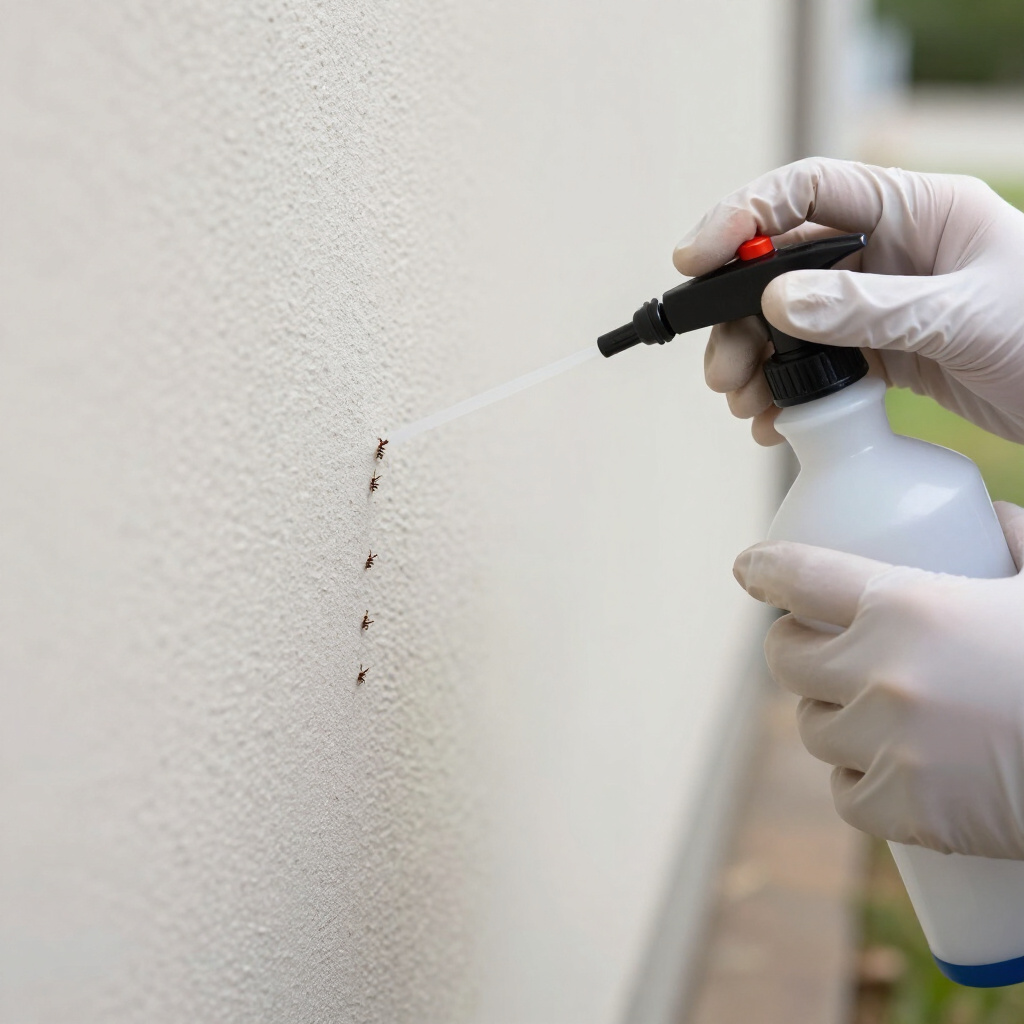

You don't need harsh chemicals to keep your home pest-free. Whether you're worried about pets, children, or simply want a gentler approach, natural pest control methods offer effective solutions that work with nature rather than against it. The key is knowing which techniques actually deliver results—and which ones are just wishful thinking. Let's explore proven strategies that real homeowners use to protect their spaces without reaching for the toxic stuff.
Natural Pest Control Methods That Actually Work in Your Home
When it comes to managing unwanted visitors, prevention always beats reaction. Start by sealing entry points around windows, doors, and utility penetrations with weatherstripping and caulk. Even a gap the width of a pencil lets mice inside, while tiny cracks welcome ants and spiders. Keep kitchen counters crumb-free, store dry goods in airtight glass or metal containers, and fix leaky faucets promptly—standing water and accessible food are the two biggest invitations you can extend to pests.
Diatomaceous earth deserves a permanent spot in your natural toolkit. This fine powder, made from fossilized aquatic organisms, damages the exoskeletons of crawling insects like ants, cockroaches, and fleas, causing them to dehydrate. Food-grade diatomaceous earth is safe to use around pets and children; simply dust a thin layer along baseboards, under appliances, and in other pest pathways. Reapply after vacuuming or if the area becomes damp, as moisture reduces its effectiveness.
Essential oils can genuinely repel certain pests when used correctly. Peppermint oil confuses and deters rodents and spiders—soak cotton balls and place them in corners, closets, and suspected entry points, refreshing every two weeks. For ants, a solution of white vinegar and water disrupts their scent trails. Tea tree oil and neem oil show promise against various insects, though you'll need to reapply frequently since natural repellents lack the residual power of synthetic pesticides.
Proven Yard and Garden Solutions
Your outdoor space sets the stage for indoor pest pressure, so addressing problems at the perimeter makes natural control far more effective. Encourage beneficial insects by planting native flowers and herbs—ladybugs, lacewings, and parasitic wasps feed on aphids, caterpillars, and other destructive pests. A diverse, thriving garden with minimal chemical interference supports this natural balance. Avoid broad-spectrum insecticides even in "natural" formulations, as these kill the helpful predators along with the targets.
Physical barriers remain among the most reliable natural methods. Row covers protect vegetable crops from flying insects and hungry mammals. Copper tape around raised beds deters slugs and snails through a mild electric reaction. Handpicking larger pests during evening garden checks takes time but delivers immediate results without any environmental impact. For persistent burrowers, hardware cloth buried several inches below soil level creates an underground fence that protects root vegetables and bulbs.
Companion planting leverages natural plant relationships to confuse or repel pests. Marigolds release compounds from their roots that suppress nematodes in soil. Basil planted near tomatoes may reduce hornworm and fly pressure. Nasturtiums act as trap crops, drawing aphids away from more valuable plants. These methods won't eliminate every problem, but they reduce pest loads significantly while adding beauty and variety to your growing space.
Key Tips for Making Natural Methods Succeed
Patience separates successful natural pest control from frustrated abandonment. Synthetic pesticides often provide dramatic overnight results; natural approaches typically work more gradually as they address underlying conditions rather than simply killing visible pests. Give each method two to three weeks before evaluating its effectiveness, and combine multiple strategies rather than relying on any single technique.
Correct identification matters enormously. The solution for carpenter ants differs completely from that for odorous house ants. Misidentifying a beneficial spider as a brown recluse leads to unnecessary intervention. When in doubt, capture a clear photo and consult your local cooperative extension service—they offer free, expert identification and region-specific advice.
Consistency proves more important than intensity. A light, regular application of diatomaceous earth outperforms heavy occasional dusting. Refreshing peppermint oil monthly maintains its deterrent effect better than saturating an area once and forgetting it. Natural pest control rewards the homeowner who builds simple maintenance tasks into their routine rather than treating problems as emergencies.
Know when professional help becomes the wisest choice. Extensive termite damage, recurring bed bug infestations, or widespread carpenter ant colonies often require intervention beyond natural methods. Many pest control companies now offer integrated pest management programs that emphasize prevention and minimize chemical use—ask specifically about these options if your situation escalates beyond DIY management.
Final Thoughts
Natural pest control methods that actually work combine smart prevention, targeted natural products, and realistic expectations about timing and results. No single approach handles every situation, but layering these strategies creates a robust defense that protects your home, your family, and the broader ecosystem. Start with the basics—seal, clean, and monitor—then layer in specific natural treatments as needed. The effort you invest builds lasting habits that keep pest pressure low year after year, all without compromising your values or your indoor air quality.