

Nothing disrupts the comfort of your home quite like discovering an unwanted pest. Whether it's ants marching across your kitchen counter or the telltale scratching in the walls at night, household pests can cause stress, damage, and even health concerns for your family. The good news? Most infestations are preventable with the right knowledge and consistent habits. In this guide, we'll walk you through the most common household pests and share practical, proven strategies to keep them outside where they belong.
Most Common Household Pests and How to Prevent Them
Understanding which pests you're most likely to encounter is the first step toward effective prevention. Each pest has unique behaviors, entry points, and attractants—but they all share one thing in common: they're searching for food, water, or shelter. Here's what to watch for and how to stop problems before they start.
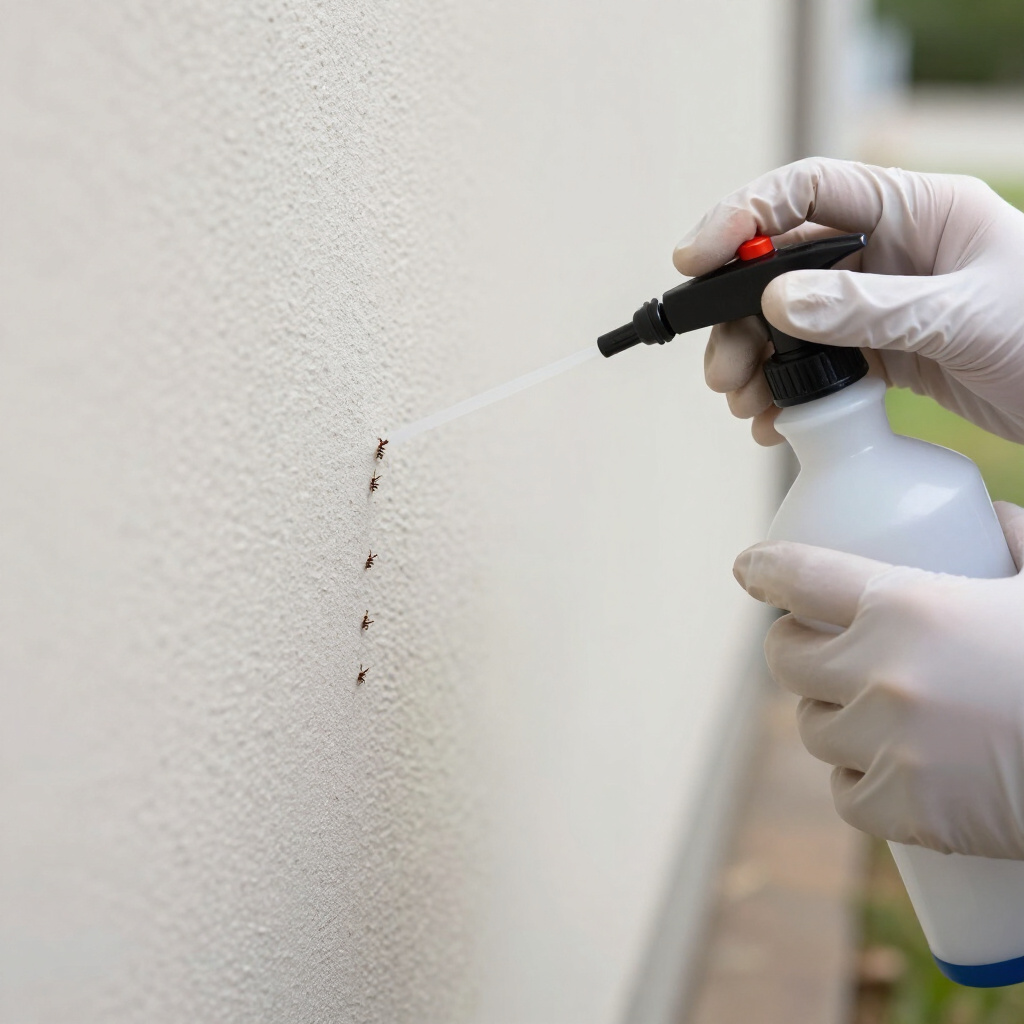
Ants are among the most frequent home invaders, particularly during spring and summer months. These tiny foragers leave invisible scent trails that recruit hundreds of their colony mates to any food source they discover. Once established, ant trails can seem impossible to eliminate. Prevention starts with diligent cleanliness—wipe down counters daily, store food in sealed containers, and address sticky spills immediately. Seal cracks around windows, doors, and your home's foundation with silicone caulk. Outdoors, trim vegetation away from your house and avoid stacking firewood or mulch directly against exterior walls.
Cockroaches thrive in warm, humid environments with access to food debris. These nocturnal pests multiply rapidly and can trigger allergies and asthma, particularly in children. German cockroaches often hitchhike inside via grocery bags, cardboard boxes, or secondhand appliances. American and Oriental cockroaches typically enter through drains, vents, and structural gaps. Prevent infestations by eliminating moisture sources—fix leaky faucets, improve ventilation in bathrooms, and use dehumidifiers in damp basements. Store garbage in sealed bins and remove it regularly. Declutter storage areas where roaches can hide during daylight hours.
Rodents including mice and rats seek shelter as temperatures drop and can squeeze through remarkably small openings—a mouse needs just a dime-sized gap. Beyond the unsettling noise of nighttime activity, rodents contaminate food, damage wiring and insulation with their gnawing, and spread disease. Inspect your home's exterior thoroughly, paying special attention to where utility lines enter, garage door seals, and foundation cracks. Install door sweeps and repair damaged screens. Inside, maintain organized pantries with food in chew-proof containers, and avoid leaving pet food out overnight.
Termites cause billions in property damage annually, often working silently for years before detection. Subterranean termites build mud tubes to access wood, while drywood varieties infest furniture and structural timbers directly. Prevention requires moisture management—ensure proper drainage away from your foundation, maintain gutters, and repair roof leaks promptly. Eliminate wood-to-soil contact by keeping lumber, firewood, and wooden mulch at least six inches from your home. Schedule professional inspections annually, especially if your area has a history of termite activity.
Spiders generally enter homes pursuing other insects, making them both a problem and a warning sign of underlying pest activity. While most house spiders are harmless, species like black widows and brown recluses require caution. Reduce spider populations by addressing their prey sources and removing harborage sites. Clear away webs regularly, store firewood outdoors and away from walls, and seal exterior gaps. In garages and basements, use tight-fitting storage bins instead of cardboard boxes that attract both spiders and their insect prey.
Bed bugs have resurged dramatically and can infest even the cleanest homes through travel, used furniture, or adjacent apartments. These elusive pests hide in mattress seams, furniture crevices, and wall cracks, emerging at night to feed. Prevention demands vigilance: inspect hotel rooms when traveling, especially mattress tags and headboards. Upon returning home, launder travel clothes in hot water and dry on high heat. Never bring curbside furniture or mattresses into your home without thorough inspection. Encase mattresses and box springs in protective covers that eliminate hiding spots.
Mosquitoes and flies represent nuisance pests that also carry health risks. Mosquitoes require standing water to breed, so eliminating these sources is paramount—empty birdbaths weekly, unclog gutters, and ensure proper drainage throughout your property. For flies, focus on sanitation: clean garbage disposal units regularly, keep outdoor bins sealed and away from doors, and install proper-fitting screens on all windows. Consider fine-mesh screens for doors that see frequent use.
Foundation Prevention Strategies That Work
The most effective pest control happens before problems develop. These foundational practices protect against multiple pest types simultaneously.
Start with a thorough exterior inspection each season. Walk your property with a critical eye, noting deteriorated weatherstripping, damaged vent screens, foundation cracks, and gaps around utility penetrations. Many homeowners are surprised by how many entry points they've overlooked. Address repairs promptly—pests exploit vulnerabilities quickly.
Moisture control cannot be overstated. Most pests require water to survive, and excess humidity creates ideal conditions for breeding and harborage. Run exhaust fans during cooking and bathing. Grade soil to slope away from your foundation. Consider a crawl space vapor barrier if you live in a humid climate. These investments protect both your home's structure and its pest resistance.
Landscaping choices significantly impact pest pressure. Keep shrubs and tree branches trimmed back from your roof and walls—this eliminates natural bridges for ants, rodents, and spiders. Use rock or rubber mulch near your foundation instead of wood products that attract termites and carpenter ants. Maintain lawn height to reduce tick and flea habitat.
Inside, adopt storage practices that discourage pests. Use glass, metal, or heavy plastic containers rather than paper or cardboard. Elevate stored items in basements and garages when possible. Rotate pantry goods regularly using first-in, first-out principles. The less accessible and detectable your food and clutter, the less appealing your home becomes to invaders.
Key Tips for Ongoing Pest Management
Consistency outperforms occasional intensive efforts. Integrate these habits into your regular household routine for lasting protection.
Establish a weekly cleaning rhythm that includes wiping all kitchen surfaces, sweeping floors, and checking less-frequented areas like under sinks and behind appliances for signs of pest activity. Early detection makes intervention far simpler.
Monitor with purpose. Place glue traps in strategic locations—under kitchen sinks, behind refrigerators, in basement corners—to catch invaders and identify which species are present. This intelligence guides targeted prevention rather than indiscriminate pesticide use.
Know when professional help becomes necessary. Multiple pest sightings, evidence of nesting, structural damage, or persistent problems despite your efforts indicate that DIY methods have reached their limit. Licensed pest control professionals bring specialized tools, targeted treatments, and expertise in pest biology that resolve entrenched infestations safely and effectively.
Avoid common missteps that actually worsen problems. Over-the-counter foggers often drive pests deeper into hiding without addressing the root cause. Using outdoor pesticides indoors creates health hazards without lasting results. And ignoring a small problem—hoping it resolves itself—typically allows exponential population growth.
Final Thoughts
Protecting your home from pests is an ongoing commitment, not a one-time task. By understanding the specific behaviors and vulnerabilities of common household invaders, you can take targeted, effective action that keeps your living spaces comfortable and healthy. Remember that prevention—through sealing entry points, eliminating attractants, and maintaining vigilant cleanliness—remains your most powerful and economical strategy.
When prevention falls short, don't hesitate to partner with qualified professionals who can assess your unique situation and implement solutions tailored to your home and family. The peace of mind that comes from a truly pest-free home is well worth the investment of your time and attention.