
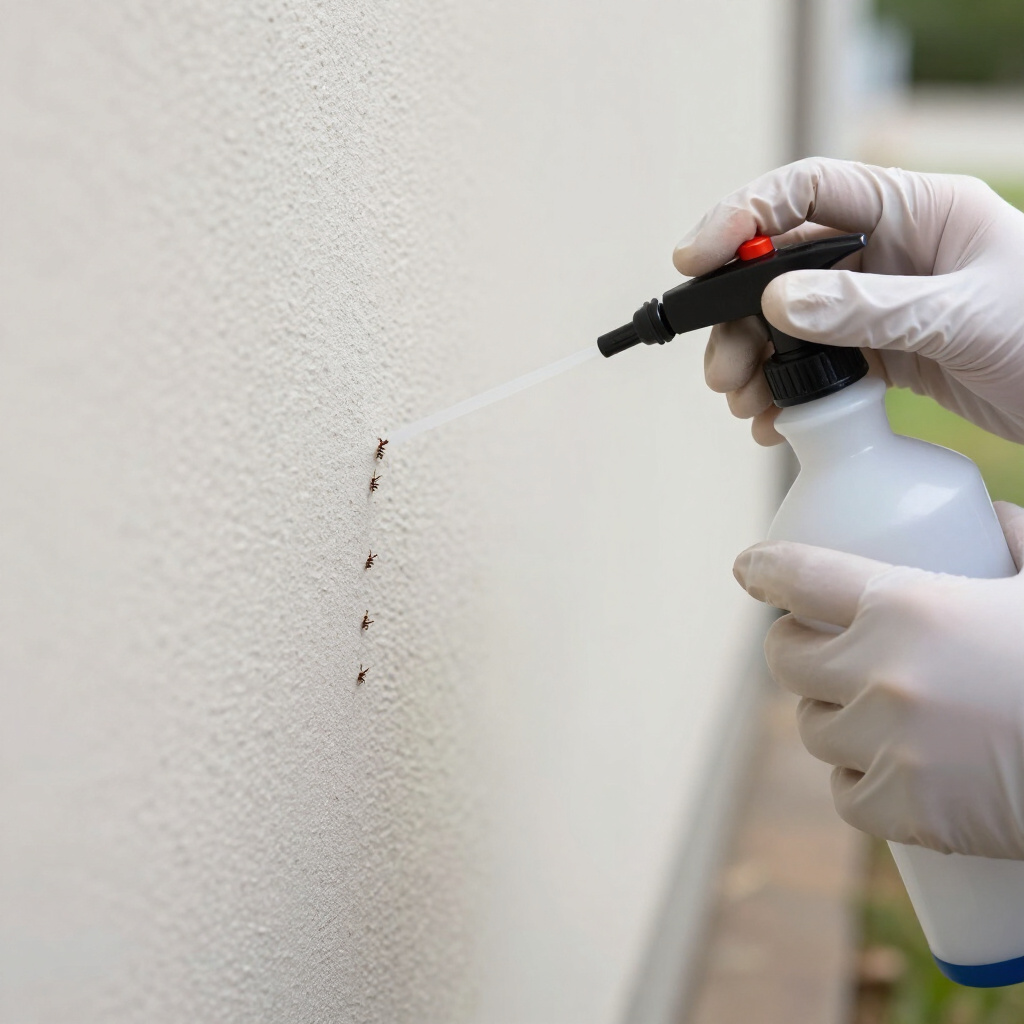

Few things are more frustrating than spotting a trail of ants marching across your kitchen counter or finding them clustered around a forgotten crumb. These tiny invaders seem to appear out of nowhere, and once they establish a route into your home, they can be remarkably persistent. The good news? With the right approach, you can make your home far less appealing to ants and stop problems before they start. Here's everything you need to know to keep these pests outside where they belong.
How to Prevent Ants From Invading Your Home Starts With Understanding Their Behavior
Ants don't randomly wander into houses—they're following a mission. Worker ants leave their colony in search of food and water, laying down pheromone trails as they go. When one ant finds something good, others follow the same scented path, creating those visible lines you see on baseboards and countertops.
This means prevention isn't just about killing the ants you see. It's about interrupting their communication system and removing what attracts them in the first place. The most effective strategies target both the scouts and the conditions that invite them inside.
Ant activity typically ramps up during warmer months, but in many regions, they remain active year-round. Rainy weather often drives them indoors seeking dry shelter, while drought conditions send them hunting for water. Understanding these patterns helps you stay vigilant during high-risk periods.
Seal Entry Points to Block Access
Ants are incredibly resourceful when finding ways inside. They can squeeze through gaps as small as 1/32 of an inch—about the thickness of a credit card. A thorough inspection of your home's exterior is one of the most impactful steps you can take.
Walk around your property and examine areas where utilities enter the house, including pipes, wires, and cables. These penetrations often have gaps that expand and contract with temperature changes. Use silicone caulk to seal them properly, as it's flexible and long-lasting.
Check window frames and door sweeps next. Weather stripping deteriorates over time, creating easy access points. Replace worn materials and ensure doors close flush with their frames. Don't overlook foundation cracks, which should be repaired with appropriate masonry sealant.
Inside your home, pay attention to less obvious entry routes. Gaps around kitchen plumbing under sinks, spaces behind baseboards, and cracks in tile grout can all serve as ant highways. While you can't seal everything, reducing obvious pathways significantly disrupts their movement.
Eliminate Food and Water Sources
Ants have one primary motivation for entering homes: survival resources. Your kitchen offers everything their colony needs, which is why it's typically ground zero for infestations. Smart food storage and cleanliness habits eliminate their reason to visit.
Store pantry staples in airtight containers made of glass, metal, or thick plastic. Cardboard boxes and thin plastic bags are no challenge for determined ants. This includes seemingly unappealing items like sugar, flour, cereal, pet food, and even spices—ants have diverse tastes depending on the species.
Cleanliness routines matter enormously. Wipe counters daily with vinegar solution, which removes both food residue and the pheromone trails ants follow. Don't let dishes pile in sinks overnight. Sweep floors regularly, paying special attention to areas where food is prepared and eaten.
Your trash and recycling deserve attention too. Use bins with tight-fitting lids and empty them frequently. Rinse recyclable containers before storage, as residual sweetness attracts scouts from surprising distances.
Water sources can be equally compelling. Fix leaky faucets promptly, including the minor drips you might otherwise ignore. Ensure bathrooms and laundry areas stay dry, and don't overwater indoor plants sitting in saucers that collect standing water.
Key Tips for Maintaining an Ant-Resistant Home
Beyond the fundamentals, several targeted tactics strengthen your defenses considerably.
Landscaping choices matter. Keep tree branches and shrubs trimmed back from touching your house—these act as natural bridges. Mulch and pine straw should stay several inches from foundations, as they create ideal nesting conditions. Consider using rock or gravel in immediate perimeter zones instead.
Manage outdoor attractants. Clean barbecue grills after use, pick up fallen fruit from trees promptly, and ensure garbage cans have secure lids placed on hard surfaces rather than grass or dirt where ants already live.
Use deterrents strategically. Natural options like diatomaceous earth can be applied in thin layers along exterior foundation walls and known entry points. This powder damages ants' exoskeletons without posing risks to people or pets when used as directed. Essential oils such as peppermint, tea tree, and citrus can temporarily disrupt pheromone trails when applied to baseboards and thresholds, though they require regular reapplication.
Address moisture comprehensively. Improve ventilation in crawl spaces and attics, direct downspouts away from foundations, and grade soil to drain water outward. Damp wood and humid environments support not just ants but the decay that makes your home more penetrable.
Know when professional help is warranted. If you see ants consistently despite your efforts, notice multiple species, or find winged reproductive ants inside, you may be dealing with established nesting within wall voids or structural elements. Carpenter ants specifically require prompt professional attention, as they excavate wood and can cause significant damage over time.
Final Thoughts
Preventing ant invasions isn't about a single dramatic action—it's about consistent habits that make your home inhospitable to these persistent foragers. The combination of physical exclusion through proper sealing, elimination of food and water incentives, and smart landscaping creates multiple layers of protection that work together.
Start with a weekend inspection and sealing project, then build the daily cleanliness habits that maintain your defense. When you understand how ants operate and what draws them, you can stay steps ahead rather than reacting to visible problems. Your home should feel like your sanctuary, not a buffet line for thousands of tiny uninvited guests. With these strategies in place, you'll spend far less time dealing with ant trails and much more enjoying your space in peace.