

There's something unsettling about walking face-first into a spider web in your own hallway—or turning on the bathroom light to find an eight-legged visitor scurrying across the floor. If you're looking for practical ways to keep spiders out of your house without turning your home into a chemical war zone, you're in the right place. The good news? Most spider prevention comes down to understanding why they're coming inside in the first place, then cutting off their access and incentives.
How to Keep Spiders Out of Your House by Sealing Entry Points
Spiders don't need much of an opening to get inside. A gap the width of a pencil is plenty for many common species. Start your prevention efforts with a thorough inspection of your home's exterior, paying special attention to the foundation, window frames, door thresholds, and where utility lines enter the house.
Grab a caulking gun and seal cracks in your foundation, gaps around windows, and spaces where pipes or cables penetrate walls. Replace worn weatherstripping under doors and install door sweeps if you don't already have them. Don't overlook your screens—repair any tears and make sure window screens fit snugly in their tracks.
Vents and chimneys need attention too. Cover crawl space vents and attic vents with fine mesh screening that allows airflow but blocks spiders and the insects they hunt. A chimney cap serves the same dual purpose while also keeping out birds, bats, and larger pests.
Reduce the Insects That Attract Spiders
Spiders come inside for one main reason: food. If your house has other bugs, spiders will follow. Making your home less appealing to insects is one of the most effective indirect ways to keep spiders out of your house.
Start in your kitchen. Store dry goods in airtight containers, clean up crumbs promptly, and don't let dirty dishes sit overnight. Fix leaky faucets and address any moisture issues—many insects (and the spiders that eat them) are drawn to damp environments. Consider running a dehumidifier in chronically humid areas like basements.
Outdoor lighting deserves special mention. Standard white lights attract moths, flies, and other flying insects that spiders love to eat. Switch to yellow LED bulbs or sodium vapor lights, which are far less attractive to bugs. Position lights away from doors and windows when possible, so insects aren't gathering right at entry points.
Your landscaping choices also matter. Overgrown vegetation touching your house creates a natural bridge for spiders and their prey. Trim shrubs, tree branches, and ivy so nothing touches your exterior walls or roof. Keep mulch, firewood, and compost piles at least twenty feet from your foundation—these are spider hotspots.
Clean and Declutter to Eliminate Spider Hiding Spots
Spiders prefer quiet, undisturbed places where they can build webs and hunt without interruption. The more clutter and hidden corners in your home, the more welcoming it is to them.
Make regular dusting and vacuuming part of your routine, especially in low-traffic areas like basements, attics, closets, and storage rooms. Use your vacuum's hose attachment to suck up webs, egg sacs, and any spiders you find. This is more effective than spraying, which often leaves webs behind and can drive spiders deeper into hiding.
Storage areas are particularly vulnerable. Replace cardboard boxes with sealed plastic containers—cardboard provides both shelter and food for insects that spiders prey on. Keep items off the floor when possible, and pull storage away from walls to reduce secluded hiding spots.
Don't forget the garage. It's often the gateway for spiders entering your home. Keep it organized, sweep regularly, and consider installing weatherstripping on the garage door if it doesn't seal tightly against the floor.
Key Tips for Natural and Targeted Spider Deterrents
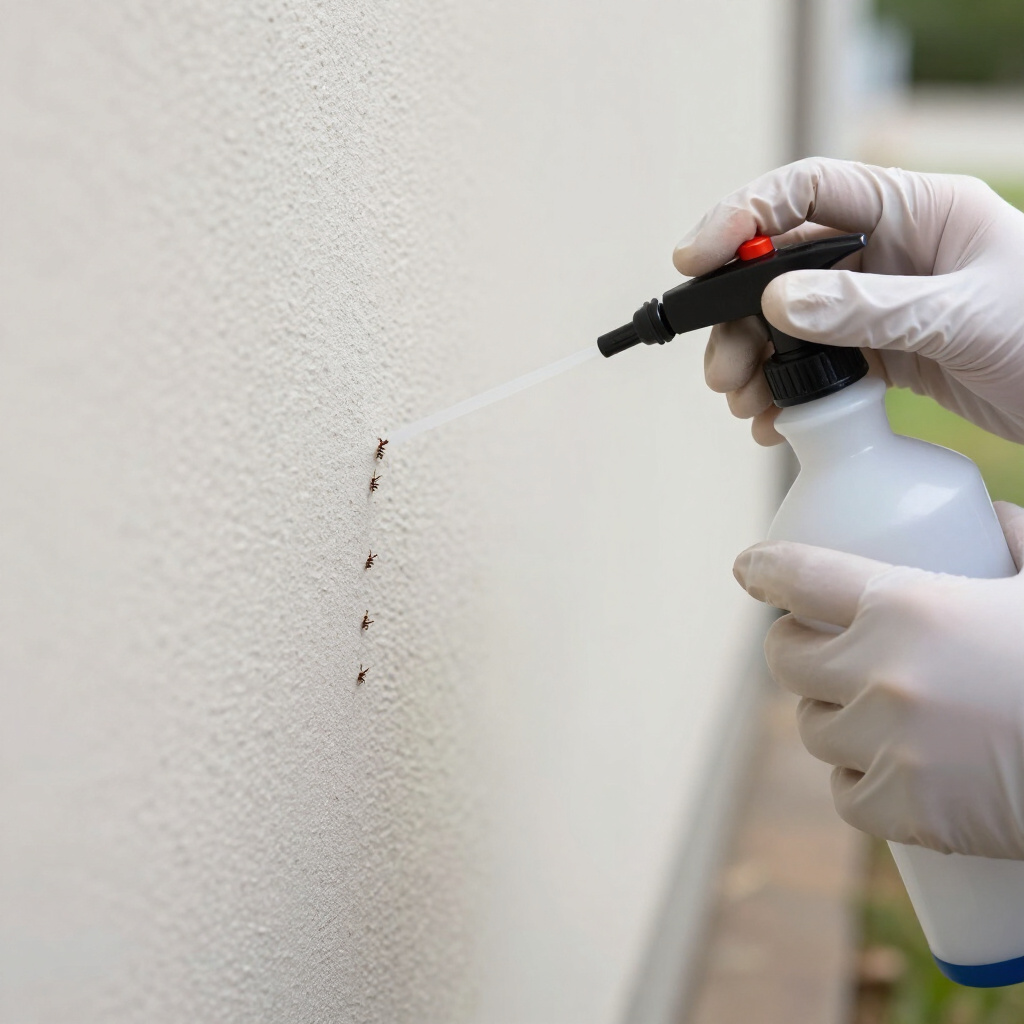
Many homeowners prefer to avoid broad pesticide applications, and with good reason—indiscriminate spraying rarely solves spider problems long-term and can expose your family and pets to unnecessary chemicals. Instead, use targeted, strategic approaches.
Essential oils have gained popularity as natural spider deterrents, with peppermint, tea tree, and eucalyptus being the most commonly cited. Mix about fifteen drops of oil with water in a spray bottle and apply to entry points, window sills, and known spider paths. The evidence for these is largely anecdotal, but many people find them helpful as part of a broader strategy. Reapply every few days, as the scent fades quickly.
Diatomaceous earth is a fine powder made from fossilized algae that damages the exoskeletons of crawling insects. Sprinkle food-grade diatomaceous earth in dry, out-of-reach areas like behind appliances, in basement corners, and along foundation walls inside your home. It won't harm spiders directly—spiders don't have the right type of exoskeleton—but it will reduce the insect populations that sustain them.
For persistent problems, consider targeted insecticide applications by a professional. Pest control experts can identify the specific spider species you're dealing with, locate hidden entry points you might miss, and apply products precisely where needed rather than broadcasting chemicals throughout your living space.
Glue boards placed in corners, behind furniture, and in other secluded spots can help monitor spider activity and catch individuals. They're not a standalone solution, but they provide useful information about where spiders are active and whether your prevention efforts are working.
Final Thoughts
Learning how to keep spiders out of your house isn't about achieving a perfectly spider-free existence—that's neither realistic nor ecologically desirable, since spiders do help control other pests. Rather, it's about reducing spider presence to a level you're comfortable with, using methods that are effective, safe, and sustainable.
The most successful approach combines multiple strategies: seal your home's exterior, eliminate the insects that attract spiders, remove clutter and hiding spots inside, and use targeted deterrents where appropriate. Consistency matters more than intensity—a little regular maintenance prevents the conditions that lead to spider infestations in the first place.
If you've implemented these steps and still find yourself facing more spiders than you can tolerate, or if you're dealing with potentially dangerous species, don't hesitate to call a professional pest control service. They can assess your specific situation and provide solutions tailored to your home and your concerns.