
When ants march across your kitchen counter or a wasp nest appears under your eaves, you're faced with a decision: grab a spray bottle from the hardware store or call in someone who does this for a living. Both DIY pest control and hiring a professional have their place, but choosing the wrong path can cost you time, money, and sometimes your safety. Let's walk through what you need to know to make the smart call for your situation.
DIY Pest Control: When It Works and When It Backfires
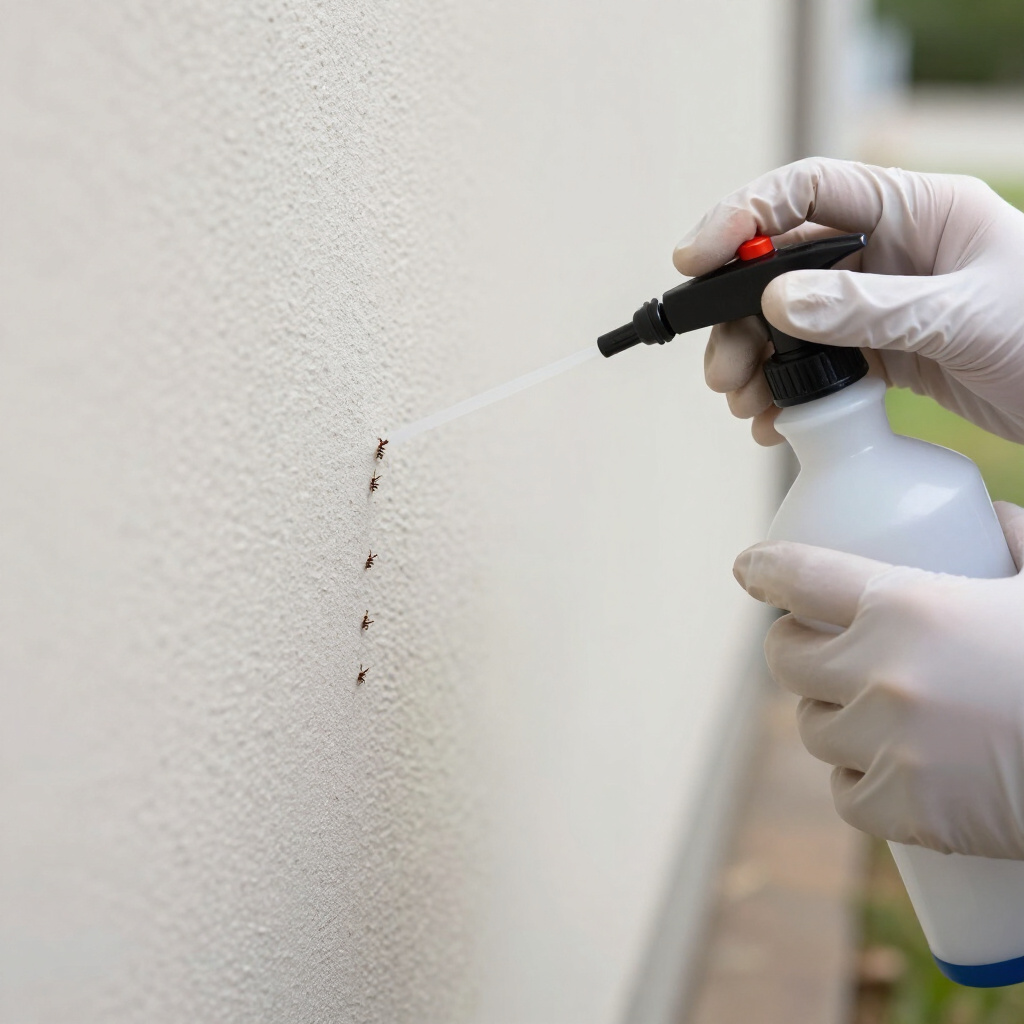
DIY pest control appeals to the capable homeowner who wants quick action without scheduling appointments. For minor, straightforward problems, this approach can absolutely succeed. A few stray ants following a trail to a forgotten crumb? A bait station and some diligent cleaning often solves it. A single spider in the garage? A spray and a relocation do the trick.
The real advantages of going DIY are speed and cost. You can act immediately, and a $15 can of insecticide feels easier on the wallet than a service call. Store-bought products have also improved significantly, with targeted baits and lower-toxicity formulas that weren't widely available a decade ago.
However, DIY pest control has genuine limitations that homeowners often underestimate. Many over-the-counter sprays are contact killers—they eliminate what you see but rarely reach the nest, colony, or hidden breeding grounds. This creates a frustrating cycle where pests seem to vanish, then return weeks later in greater numbers. Misidentification is another common pitfall: treating carpenter ants like sugar ants, or confusing harmless ground bees with aggressive yellowjackets, leads to ineffective treatment and wasted effort.
Safety deserves serious consideration too. Mixing chemicals improperly, applying products in poorly ventilated spaces, or using outdoor formulations indoors can harm your family and pets. Reading labels thoroughly matters, but many homeowners skim or skip this step entirely.
Hiring a Professional: Expertise That Earns Its Keep
Pest control professionals bring training, experience, and commercial-grade tools that simply aren't available to the average homeowner. Their value shines brightest in complex, persistent, or potentially dangerous situations.
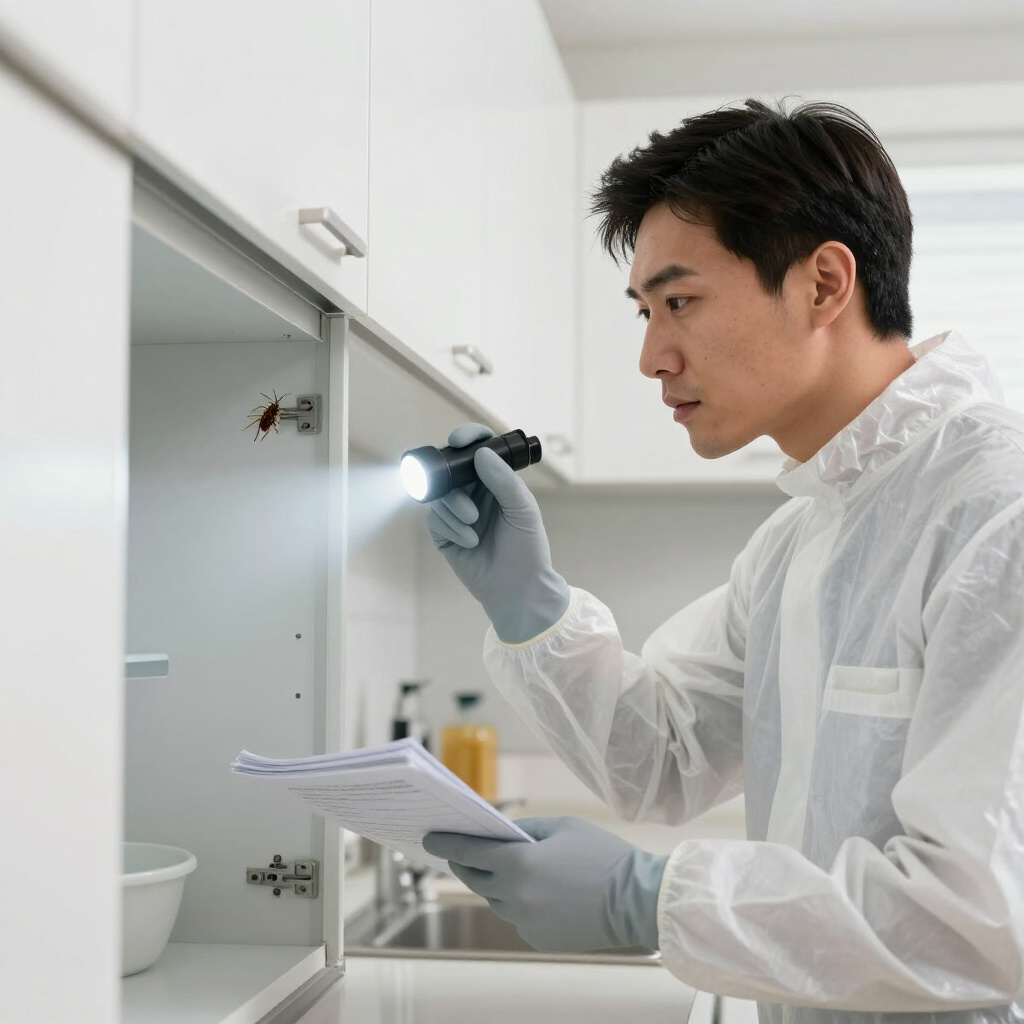
A qualified technician doesn't just treat symptoms—they investigate causes. They know that mouse droppings in the attic often mean entry points along your roofline, that termite mud tubes signal a colony consuming your home's structure, and that bed bugs require a completely different strategy than fleas despite similar bites. This diagnostic skill prevents misapplied treatments and recurring problems.
Professionals also access restricted-use products and application methods that outperform retail alternatives. Heat treatment for bed bugs, termite baiting systems, and integrated pest management programs combine multiple tactics for lasting results. Their equipment—fogging machines, injection tools, protective gear—enables thorough, safe application in hard-to-reach spaces.
The financial picture shifts when you consider total cost. A single professional visit might exceed a DIY product's price, but repeated failed DIY attempts, property damage from unchecked infestations, or medical bills from stings and bites quickly erase those initial savings. Many reputable companies also guarantee their work, returning at no charge if pests persist.
When should you definitely call a professional? Consider expert help for: termites or carpenter ants (structural threats), bed bugs (extremely difficult to eradicate alone), stinging insects in high-traffic areas, rodents in walls or attics, any infestation spreading despite your efforts, and situations involving family members with allergies or respiratory sensitivities.
Key Tips for Making the Right Choice
Whether you choose DIY or professional pest control, these principles will improve your outcomes significantly.
If going the DIY route, start with accurate identification. Your county extension office, reputable online resources with clear photographs, or even a free consultation call with a pest company can confirm what you're facing. Choose products specifically labeled for your pest, follow application instructions precisely, and keep records of what you used and when. Monitor results for two to three weeks before declaring success or trying something new. And know when to escalate—three failed attempts means it's time for professional intervention.
If hiring a professional, verify credentials before signing. Licensed technicians should readily provide their credentials, and quality companies carry proper insurance. Ask specifically about their treatment approach, what products they use, and whether they offer guarantees. Be wary of high-pressure sales tactics, vague pricing, or promises of instant miracle cures. The best professionals explain their process, set realistic expectations, and focus on long-term prevention alongside immediate treatment.
Prevention serves everyone well regardless of your control method. Seal cracks and gaps around your home's exterior, eliminate standing water, store food in airtight containers, maintain clean gutters, and keep firewood and debris away from your foundation. These habits reduce pest pressure and make any treatment more effective.
Final Thoughts
DIY pest control and professional services aren't opposing forces—they're options on a spectrum. Minor, isolated problems often respond well to attentive homeowner effort. Complex, hazardous, or stubborn infestations demand professional expertise that protects your home, health, and peace of mind.
The wisest approach? Start with honest assessment. Consider the pest type, infestation size, your available time and comfort level with chemicals, and what you stand to lose if the problem worsens. There's no shame in trying DIY first for a small issue, nor in recognizing when a problem has outgrown your capabilities. The goal isn't proving self-sufficiency—it's solving the problem thoroughly so you can enjoy your home without unwanted guests.